
 By Admin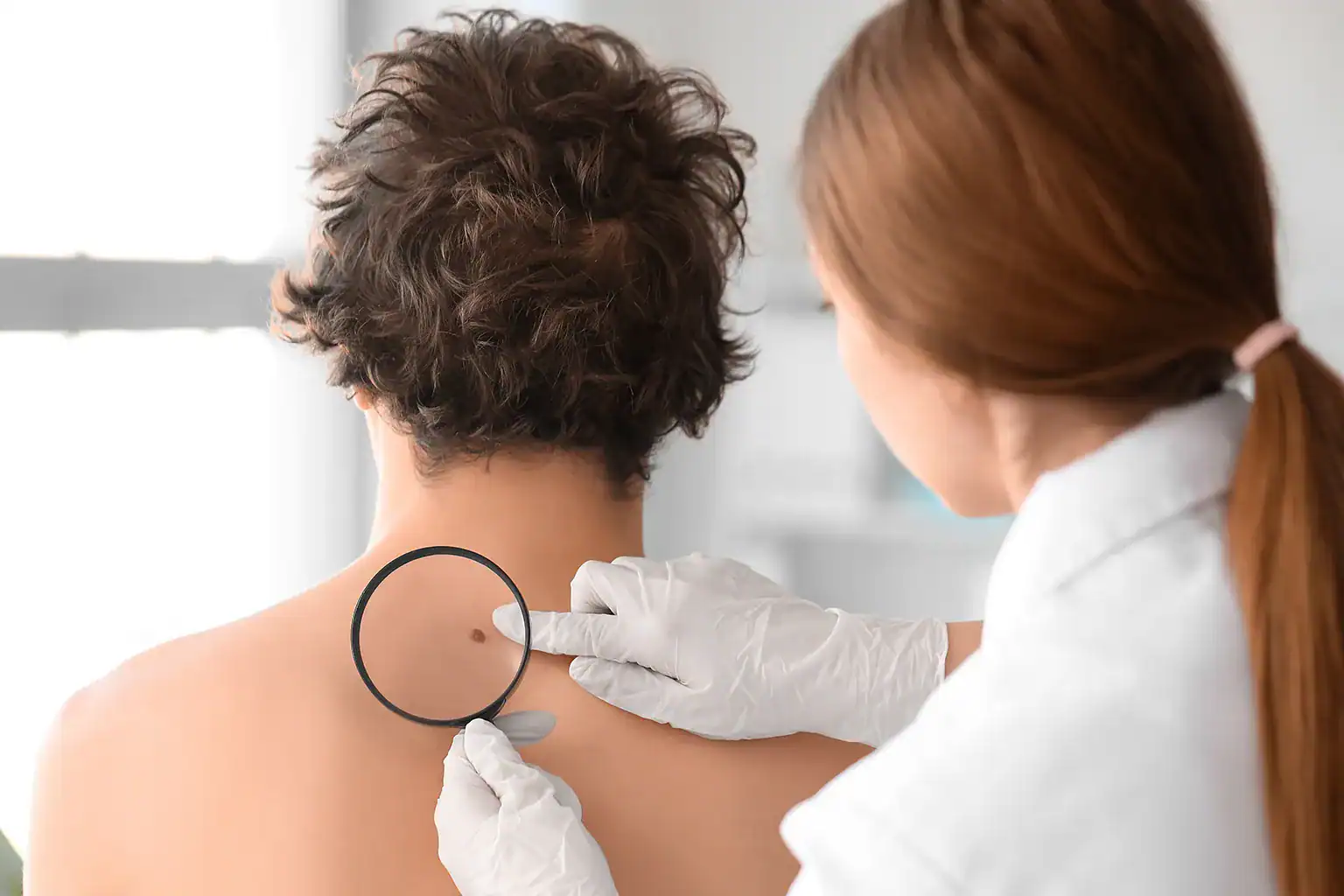
Understanding the Growing Importance of Skin Cancer Awareness
Skin cancer remains one of the most common types of cancer worldwide, and melanoma is considered one of the most serious forms because of its ability to spread rapidly when not identified early. Increasing public awareness about the warning signs of melanoma and the importance of regular skin examinations plays a vital role in reducing health risks. With advancements in technology, artificial intelligence has become a powerful tool in improving melanoma detection and supporting early skin cancer awareness.
Artificial intelligence is transforming the healthcare industry by helping doctors analyze medical images, recognize unusual skin patterns, and identify potential concerns at earlier stages. While professional medical evaluation remains essential, AI-based technologies are providing valuable assistance by improving accuracy, speed, and access to skin health information.
How Artificial Intelligence Supports Melanoma Detection
Artificial intelligence uses advanced algorithms, machine learning, and deep learning techniques to analyze large amounts of medical data. In dermatology, AI systems are trained using thousands or even millions of images of skin lesions, including both harmless marks and cancerous growths. Through this training, these systems learn to recognize patterns that may indicate melanoma or other forms of skin cancer.
One of the major benefits of AI in melanoma detection is its ability to identify small differences in skin lesions that may be difficult to notice with the human eye. Features such as changes in color, irregular borders, unusual shapes, and variations in texture can be analyzed quickly by AI-powered tools. This additional support allows healthcare professionals to make more informed decisions when examining suspicious areas.
AI-based skin analysis applications are also helping expand access to early screening. People in areas with limited access to dermatologists can use digital platforms that provide preliminary assessments and encourage them to seek medical advice when necessary. These tools are not designed to replace doctors but rather to support early awareness and improve communication between patients and healthcare providers.
The Role of AI in Improving Early Detection
Early diagnosis is one of the most important factors in successful melanoma treatment. When melanoma is discovered at an early stage, treatment options are generally more effective, and the chances of successful outcomes can improve significantly. AI technology contributes to early detection by helping identify possible warning signs before they become more advanced.
Traditional skin examinations rely heavily on the experience and expertise of dermatologists. Although specialists are highly trained, analyzing thousands of skin conditions can be challenging. AI systems provide an additional layer of analysis by comparing images against extensive databases and highlighting areas that may require further attention.
The ability of AI to process information quickly makes it especially valuable in large-scale screening programs. Healthcare organizations can use AI-assisted systems to evaluate more patients efficiently, helping prioritize cases that need immediate medical review. This can reduce delays and encourage faster diagnosis.
Raising Awareness Through AI-Powered Skin Health Tools
Beyond clinical applications, AI is playing an important role in increasing public awareness about melanoma and skin cancer prevention. Many people do not recognize early signs of melanoma or understand the importance of monitoring changes in their skin. AI-powered educational tools can help individuals become more aware of potential risks and encourage healthier skin care habits.
Mobile applications and digital platforms can allow users to track changes in moles, record skin observations, and receive reminders for regular checks. These features encourage people to pay closer attention to their skin and seek professional guidance when unusual changes appear.
AI also supports awareness campaigns by analyzing health trends and helping organizations develop better educational strategies. By understanding common risk factors and patterns, healthcare providers can create targeted programs that reach communities most in need of information.
Advantages of Using AI in Skin Cancer Detection
The integration of AI into dermatology offers several important advantages. One key benefit is improved efficiency. AI systems can analyze images within seconds, helping doctors save time and focus on patient care. This faster analysis can be especially helpful in busy medical environments where early evaluation is critical.
Another advantage is consistency. Human evaluations can sometimes vary depending on experience, workload, or other factors. AI systems provide standardized image analysis based on trained algorithms, which can help support more consistent assessments.
AI technology also contributes to medical research by analyzing large datasets to discover new patterns related to melanoma development. Researchers can use these insights to improve screening methods, understand risk factors, and develop better prevention strategies.
Challenges and Limitations of AI in Dermatology
Although AI provides many benefits, there are still challenges that must be addressed. AI systems depend on the quality and diversity of the data used for training. If datasets do not represent different skin types, ages, and conditions, the accuracy of results may be affected.
Privacy and security are also important concerns. Medical images contain sensitive information, so strong protection measures are necessary to ensure patient data remains secure. Healthcare providers and technology developers must follow strict ethical standards when creating and using AI-based tools.
Additionally, AI results should always be reviewed by qualified medical professionals. Technology can provide valuable support, but human expertise remains essential for diagnosis, treatment planning, and patient care.
The Future of AI and Melanoma Detection
The future of AI in dermatology looks promising as technology continues to improve. Researchers are developing more advanced systems that can analyze images with greater accuracy, combine multiple sources of health information, and provide more personalized recommendations.
Future AI solutions may become even more integrated into healthcare systems, allowing doctors to use advanced tools during routine examinations. Wearable devices, improved imaging technologies, and smarter algorithms could further enhance the ability to monitor skin health and identify risks earlier.
As AI becomes more accessible, it may also help reduce healthcare inequalities by providing valuable screening support to people who have limited access to specialists. This combination of technology and medical expertise has the potential to make early melanoma recognition more achievable worldwide.
Conclusion
Artificial intelligence is changing the way healthcare approaches skin cancer prevention and diagnosis. Through advanced analysis, improved accessibility, and increased public awareness, AI is becoming an important partner in melanoma detection. While it cannot replace professional medical care, it provides powerful support that can help identify suspicious skin changes earlier and encourage timely medical attention.
By combining AI technology with regular skin checks, professional dermatology services, and greater public education, communities can take meaningful steps toward reducing the impact of melanoma. The continued development of AI tools offers hope for a future where early detection becomes faster, more accurate, and available to more people around the world.