
 By Admin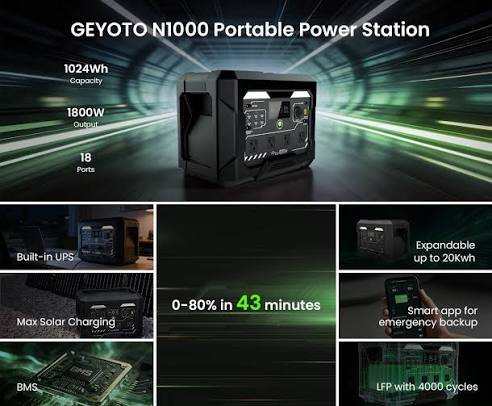
Hurricanes can bring powerful winds, heavy rainfall, flooding, and extended power outages. When electrical service is interrupted, homes and businesses can quickly lose access to important appliances, communication devices, lighting, cooling systems, and other essential equipment. Having a reliable hurricane backup power solution can make a major difference during these challenging situations.
A good backup power system provides electricity when the main grid is unavailable. Depending on your needs, this may include a portable power station, generator, battery backup system, or a combination of solutions. Preparing your backup power before hurricane season can help you respond quickly when severe weather arrives.
Why Hurricane Backup Power Is Important
Power outages are among the most common consequences of major storms. Even after the strongest winds have passed, damaged electrical infrastructure can take time to repair. During a prolonged outage, everyday activities can become difficult.
Hurricane backup power can help maintain essential electrical equipment, including refrigerators, freezers, lights, phones, internet equipment, fans, and medical devices. It can also provide greater comfort and peace of mind while utility crews work to restore the electrical grid.
For businesses, backup electricity can help protect important equipment, preserve data, and maintain essential operations. Having an emergency power plan also reduces dependence on the timing of utility restoration.
Types of Hurricane Backup Power
There are several backup power options available, and the right choice depends on the size of the property and the equipment that needs electricity.
Portable Generators
Portable generators are commonly used for emergency power. They can provide electricity for selected appliances and devices when connected properly.
A portable generator can be useful for short-term outages, especially when only essential equipment needs to operate. However, generators that use fuel require proper storage, ventilation, maintenance, and safe operation.
Generators must never be operated inside a home, garage, or other enclosed area because of the risk of carbon monoxide buildup.
Standby Generators
Standby generators are permanently installed systems designed to provide backup electricity to a home or business. Many systems can start automatically when they detect a utility power failure.
Because they can supply electricity to multiple circuits, standby generators are suitable for properties where longer or more comprehensive backup power is needed. Professional installation and regular maintenance are important for reliable operation.
Portable Power Stations
Battery-powered portable power stations are another option for hurricane preparation. These systems store electricity in an internal battery and can power devices without producing exhaust during operation.
They are particularly useful for charging phones, laptops, lights, routers, and other lower-power devices. Some larger models can also support appliances, depending on their battery capacity and output rating.
Choosing the Right Backup Power Capacity
One of the most important steps in selecting hurricane backup power is determining how much electricity you actually need.
Start by making a list of essential appliances and devices. Check the wattage listed on each device or in its documentation. Add the running power requirements to estimate your basic load.
Some appliances, especially refrigerators, pumps, and motors, may require additional power when starting. This is known as starting or surge power. A backup system needs to handle these temporary increases without shutting down.
Instead of attempting to power everything in your home, focus on essential equipment first. Refrigeration, lighting, communication devices, and necessary medical equipment may have higher priority than nonessential appliances.
Battery Capacity and Runtime
For battery-based backup systems, capacity is commonly expressed in watt-hours (Wh). A larger capacity generally allows a system to operate devices for a longer period.
For example, if your essential equipment consumes a combined 200 watts, a theoretical 1,000 Wh battery could provide several hours of operation. Actual runtime will vary because of conversion losses, device efficiency, battery condition, and other factors.
When evaluating a battery backup, consider both capacity and output. A system may have a large battery but still be unable to operate an appliance that requires more power than its inverter can deliver.
Preparing Backup Power Before Hurricane Season
Preparation should happen well before a storm approaches. Waiting until the last minute can make it difficult to find available equipment or fuel.
Inspect your generator or battery system periodically. For generators, check fuel requirements, oil levels, cables, and general operating condition according to the manufacturer’s instructions.
For battery systems, keep the unit charged as recommended and store it in an appropriate location. Make sure everyone in the household knows where the backup equipment is stored and how it should be used.
It is also helpful to keep important charging cables, flashlights, batteries, and other emergency supplies together.
Safety Considerations
Safety should always be the priority when using emergency power.
Fuel-powered generators should be operated outdoors in a well-ventilated area and positioned away from doors, windows, and vents. Never bring a running generator indoors.
Electrical connections should also be handled carefully. Avoid makeshift wiring or attempting to connect a portable generator directly to household wiring without the appropriate professionally installed equipment.
If a standby generator or transfer switch is being installed, use a qualified professional. Incorrect electrical connections can create serious hazards for occupants and utility workers.
Carbon monoxide detectors can provide an additional layer of protection in homes that use fuel-burning equipment.
Protecting Food During an Outage
Refrigerators and freezers can be important priorities during extended outages. Keeping doors closed as much as possible helps maintain the internal temperature for longer.
A backup power system can help keep refrigeration operating, reducing the risk of food spoilage. However, the amount of backup capacity needed depends on the refrigerator’s power consumption and how frequently it cycles.
Planning which appliances need electricity can help conserve available generator fuel or battery capacity.
Keeping Communication Devices Powered
Communication becomes especially important during hurricanes. Phones, radios, routers, and other devices can provide access to emergency information and updates.
A hurricane backup power setup should therefore include a method for charging phones and other communication equipment. Battery banks and portable power stations can be useful for this purpose.
Keeping devices charged before a storm arrives is another simple but effective preparation step.
Solar Charging for Backup Power
Some battery backup systems can be paired with solar panels. Solar charging can provide an additional way to replenish a battery when grid electricity is unavailable.
This can be particularly useful during longer outages, although charging speed depends on sunlight, panel capacity, weather conditions, and the battery system itself.
Solar charging should be viewed as part of an overall emergency power plan rather than a guarantee of continuous electricity during severe weather.
Creating an Emergency Power Plan
A backup system works best when combined with a clear emergency plan. Identify which appliances and devices are essential, estimate their power requirements, and determine how long they need to operate.
Keep equipment instructions accessible and make sure household members understand basic safety procedures.
It is also wise to consider what happens if the outage lasts longer than expected. A plan for conserving electricity, charging devices, and obtaining additional approved fuel or power resources can make an extended outage easier to manage.
Conclusion
Reliable hurricane backup power can provide essential electricity when severe weather disrupts the utility grid. From portable generators and standby systems to battery power stations and solar charging, there are several solutions available for different household and business needs.
The most important step is preparation. Determine your essential electrical loads, choose equipment with appropriate capacity, maintain it properly, and follow all safety instructions. With a well-planned backup power strategy, households and businesses can be better prepared for hurricanes and the power outages that may follow.