
 By Admin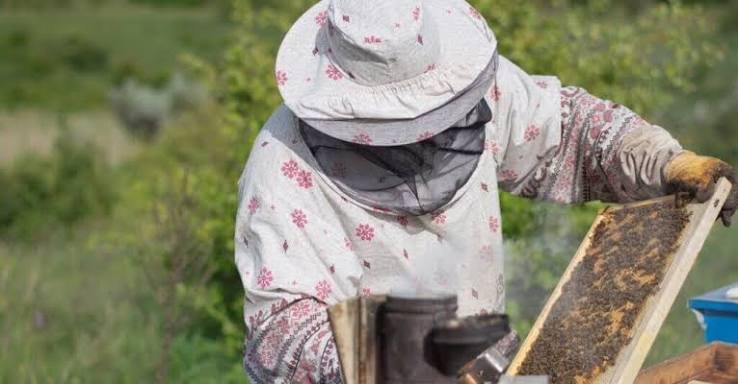
Beekeeping is a fascinating activity that combines nature, agriculture, and hands-on learning. It involves keeping and managing colonies of honey bees in specially designed Stephen Gleave Ancaster hives. People practice beekeeping for many reasons, including producing honey, supporting pollination, learning about insects, and creating a rewarding outdoor hobby. Although successful beekeeping requires patience and responsibility, beginners can learn the basics with proper knowledge and preparation.
What Is Beekeeping?
Beekeeping is the practice of maintaining honey bee colonies in artificial hives. A beekeeper provides a suitable environment where bees can build their colony, collect nectar and pollen, raise young bees, and store honey. In return, the beekeeper may harvest surplus honey and other hive products when conditions allow.
Honey bees are social insects that live in organized colonies. A healthy colony generally includes a queen bee, worker bees, and drones. Each group has a different role, and the colony depends on cooperation among its members.
Understanding the Honey Bee Colony
Learning how a bee colony works is one of the first steps in beekeeping. The queen is the primary reproductive female in the colony. Her main role is laying eggs, which helps maintain the population.
Worker bees are female bees that perform many important tasks. Depending on their age and the needs of the colony, they may clean cells, feed developing bees, produce wax, guard the entrance, regulate the hive environment, or collect nectar and pollen.
Drones are male bees whose primary biological role is mating with queens. Understanding these roles helps beekeepers recognize normal colony behavior and identify possible problems.
Choosing a Location for Your Hive
The location of a hive can have a major influence on colony health. Bees need access to flowers, clean water, and suitable shelter. A good location should also provide some protection from strong winds and excessive disturbance.
Before establishing a hive, check local regulations and consider nearby properties, roads, schools, pets, and other areas where people may frequently gather. The hive should be positioned so that bees can fly safely without causing unnecessary interaction with people.
Essential Beekeeping Equipment
Beginners do not need an enormous collection of equipment, but several basic items are important. A hive provides the structure where the colony lives. Inside the hive are frames that support the bees’ comb.
A beekeeper’s veil and protective clothing help reduce the chance of stings. Gloves can also be useful, especially for beginners, although some experienced beekeepers prefer working without them for greater dexterity.
A smoker is commonly used during hive inspections. It can help calm bees and make handling the colony easier when used correctly. A hive tool is another essential item because it helps separate frames and remove or manipulate components inside the hive.
Getting Started With Beekeeping
New beekeepers should begin by learning basic bee biology, hive management, seasonal changes, and safe handling practices. Joining a local beekeeping association or learning from an experienced beekeeper can be extremely helpful.
It is also important to start with realistic expectations. A new colony requires regular observation and care. Beekeeping is not simply a matter of placing a hive in a garden and waiting for honey. Colonies need appropriate food resources, space, protection from pests, and monitoring throughout the year.
Inspecting a Bee Hive
Regular inspections allow beekeepers to understand what is happening inside a colony. During an inspection, a beekeeper may look for evidence of a healthy queen, developing brood, stored food, sufficient space, and signs of pests or disease.
Inspections should be calm and organized. Rough movements can disturb bees, while unnecessary inspections can create stress for the colony. Keeping notes after inspections can help the beekeeper track changes over time and recognize patterns.
Managing Bees Through the Seasons
Beekeeping changes throughout the year. During spring, colonies may grow rapidly as flowers become available. This can be an important period for monitoring colony growth and available space.
Summer can bring strong foraging activity, depending on the local climate and flowering plants. Beekeepers may need to monitor food stores, hive space, pests, and ventilation.
Autumn is often a preparation period. Colonies need adequate food resources to survive periods when flowers are less abundant. Beekeepers should also pay attention to colony health and local seasonal conditions.
Winter management depends heavily on climate. In colder regions, colonies require protection from severe weather while still maintaining appropriate ventilation. In warmer climates, management may focus on heat, water availability, and other local challenges.
Honey Production
Honey is one of the most popular reasons people become interested in beekeeping. Bees collect nectar from flowers and transform it into honey through natural processes inside the colony. The honey is stored in wax cells and sealed when it reaches an appropriate condition.
Responsible beekeepers harvest only surplus honey while ensuring that the colony has enough food for its own needs. The amount of honey available varies according to weather, flowering plants, colony strength, and local environmental conditions.
Harvesting should be done carefully to minimize stress on the bees. Honey can then be extracted, filtered, stored, and packaged using suitable food-safe equipment.
Supporting Pollination
Beekeeping can contribute to pollination because honey bees visit many flowering plants while collecting nectar and pollen. As they move between flowers, they can transfer pollen and support plant reproduction.
However, honey bees are only one part of a much larger pollinator community. Wild bees, butterflies, moths, birds, and other insects also play important ecological roles. Creating diverse flowering habitats can help support a wider range of pollinators.
Common Challenges in Beekeeping
Beekeepers may encounter several challenges, including pests, parasites, diseases, poor weather, food shortages, and colony management issues. Some problems can develop without obvious external signs, which is why regular observation and education are important.
Local beekeeping organizations, agricultural extension services, and experienced beekeepers can provide useful guidance about problems that are common in a particular region. Beekeepers should also follow local rules concerning hive placement, registration, disease control, and honey sales.
Safety and Responsible Beekeeping
Safety should always be a priority. Bees can sting, and some people can experience serious allergic reactions. Beginners should learn safe hive-handling techniques and understand when protective equipment is appropriate.
Hives should be managed in a way that minimizes unnecessary contact between bees and neighbors, children, pets, and visitors. Good communication with nearby people can also help prevent misunderstandings.
Responsible beekeeping means putting colony health first rather than focusing only on honey production. Healthy bees, suitable forage, careful management, and respect for the surrounding environment are all important parts of the practice.
The Benefits of Beekeeping
Beekeeping offers educational, environmental, and practical benefits. It gives people an opportunity to observe one of nature’s most organized social systems. It can also encourage greater awareness of flowering plants, seasonal cycles, and local ecosystems.
For some people, beekeeping develops into a small agricultural business. Honey, beeswax, and other hive products can provide potential sources of income when produced and sold according to applicable regulations.
Conclusion
Beekeeping is a rewarding practice that requires knowledge, patience, observation, and responsible care. From understanding the roles within a colony to choosing the right hive location and monitoring seasonal changes, every part of beekeeping contributes to successful colony management.
For beginners, the best approach is to learn gradually, seek guidance from experienced local beekeepers, and focus on maintaining healthy colonies rather than simply producing honey. With proper preparation and respect for bees and their environment, beekeeping can become an enjoyable and educational connection with nature.