
 By Admin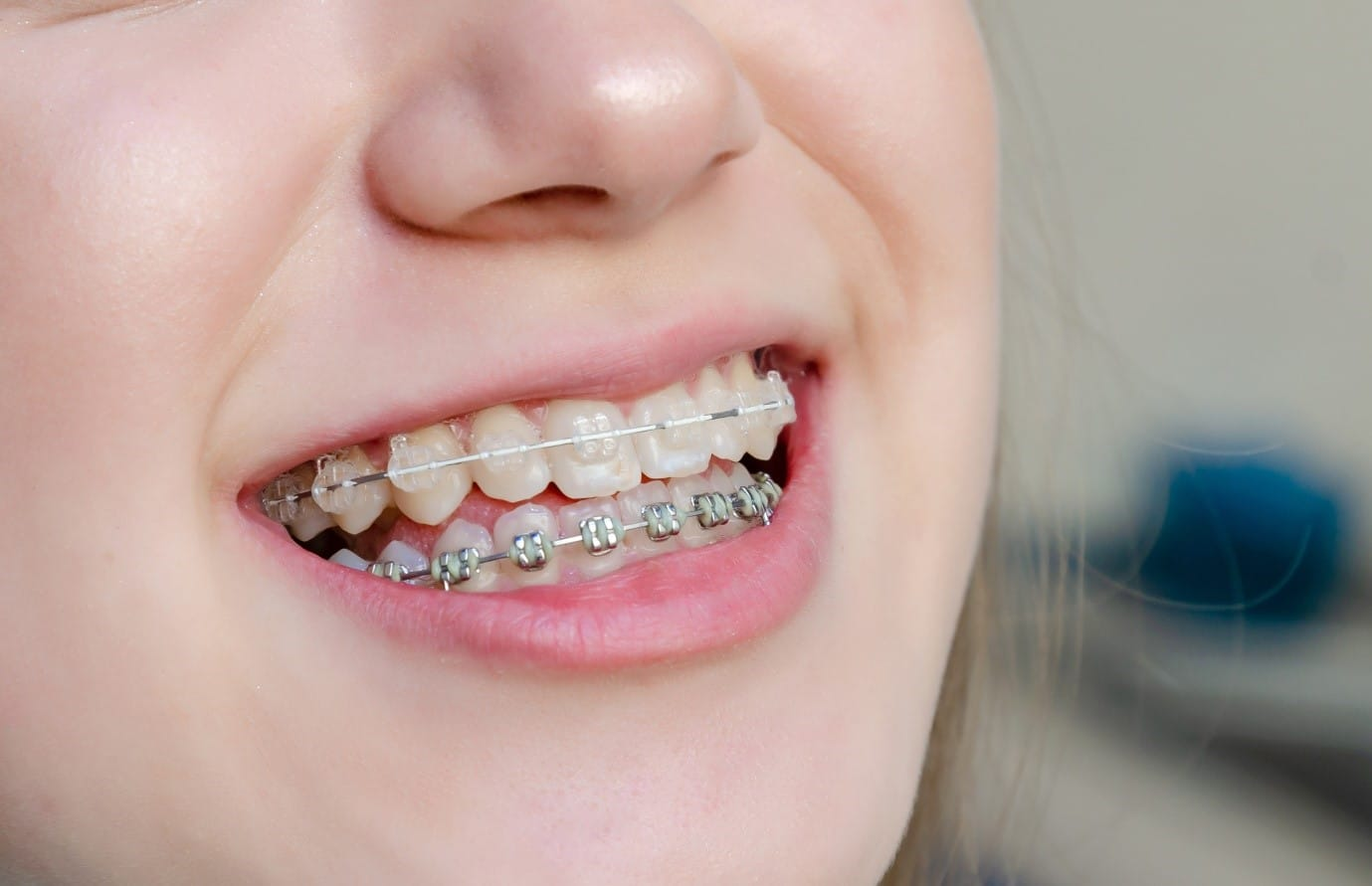
Choosing orthodontic treatment is an important decision that can influence your smile, bite, comfort, and long-term oral health. Whether you are considering braces, clear aligners, or another orthodontic option, finding the right professional is one of the first steps. When searching for an orthodontist near me, it is helpful to look beyond location and consider several factors that can affect your overall treatment experience.
Understanding Your Orthodontic Needs
Before beginning treatment, you should understand why orthodontic care has been recommended. Common concerns include crowded teeth, spacing, overbites, underbites, crossbites, and other alignment issues. Some patients seek treatment primarily for cosmetic reasons, while others require orthodontic care to improve their bite and oral function.
A qualified orthodontist will evaluate your teeth, jaw relationship, facial structure, and overall oral health before recommending a treatment plan. During your consultation, ask the orthodontist to explain your condition in straightforward language. Understanding the problem can make it easier to compare treatment options and make a confident decision.
Consider the Orthodontist’s Experience
Experience is an important factor when selecting an orthodontic provider. Orthodontic treatment requires careful planning because every patient’s teeth and bite are different. An experienced orthodontist can assess your individual needs and develop a treatment strategy suited to your situation.
When researching an orthodontist near me, review the provider’s qualifications, professional background, areas of expertise, and approach to patient care. You may also want to find out whether the practice regularly treats children, teenagers, adults, or patients with more complex orthodontic concerns.
Explore Available Treatment Options
Modern orthodontics offers more choices than traditional metal braces alone. Depending on your needs, your orthodontist may recommend traditional braces, ceramic braces, clear aligners, or other appliances.
Traditional braces use brackets and wires to gradually move teeth into their desired positions. Ceramic braces can provide a less noticeable appearance, while clear aligners use a series of removable trays to guide tooth movement.
Not every treatment option is appropriate for every patient. Your orthodontist should explain which choices are suitable for your specific condition, along with their benefits, limitations, expected treatment duration, and maintenance requirements.
Ask About the Initial Consultation
A consultation is an opportunity to determine whether an orthodontic practice is right for you. During the appointment, the orthodontist may perform an examination and take photographs, digital scans, or X-rays when appropriate.
Use this appointment to ask questions. You can discuss your treatment goals, expected timeline, potential discomfort, follow-up appointments, and available treatment options. A good orthodontic consultation should leave you with a clear understanding of what comes next.
It is also important to feel comfortable communicating with the orthodontist and staff. Orthodontic treatment can take months or even years, so establishing a positive relationship with your care team can make the experience much easier.
Evaluate Treatment Technology
Technology has changed the way orthodontic treatment is planned and monitored. Digital scanning, advanced imaging, computer-assisted treatment planning, and digital progress tracking can help orthodontic professionals evaluate tooth movement and make treatment more predictable.
When comparing an orthodontist near me, ask about the technology used by the practice. Modern equipment can improve convenience and provide detailed information for treatment planning. However, technology should complement professional expertise rather than replace it.
Understand the Expected Treatment Timeline
Orthodontic treatment does not happen overnight. The duration depends on factors such as the complexity of the dental problem, the patient’s age, treatment method, and individual response to tooth movement.
Ask for an estimated timeline during your consultation. You should also understand that the initial estimate can change if teeth move more slowly than expected or if treatment requirements change.
Patients using removable aligners should also understand the importance of following their orthodontist’s instructions. Wearing aligners for the recommended amount of time can be essential to maintaining treatment progress.
Discuss Comfort and Daily Life
Orthodontic appliances can affect your everyday routine. Braces may require adjustments to certain eating habits, while clear aligners need to be removed before eating and drinking most beverages.
Ask what you should expect during the first few days and after routine adjustments. Your orthodontist can explain how to manage temporary tenderness, maintain oral hygiene, and protect your appliances.
Understanding these details before treatment begins can help you prepare for changes to your daily routine.
Look at Oral Hygiene Requirements
Maintaining excellent oral hygiene is especially important during orthodontic treatment. Brackets and wires can create additional areas where food particles and plaque accumulate. Poor cleaning can increase the risk of cavities, gum irritation, and discoloration.
Patients should ask their orthodontist how to brush and floss effectively around their appliances. Special orthodontic toothbrushes, flossing tools, or interdental cleaners may be recommended.
Clear aligners also require proper hygiene. Aligners should be cleaned according to professional instructions, and patients should maintain regular brushing and flossing.
Consider the Total Cost of Treatment
Cost is another major factor to consider before starting orthodontic care. Treatment fees can vary depending on the complexity of your case, the treatment method, the length of treatment, and the orthodontic practice.
Ask for a detailed explanation of the total cost. Find out whether the quoted fee includes diagnostic records, adjustments, retainers, and follow-up care. You should also ask about payment plans and whether your dental insurance may provide orthodontic benefits.
Understanding financial responsibilities in advance can prevent unexpected expenses later.
Ask About Retainers and Post-Treatment Care
Completing orthodontic treatment does not necessarily mean your orthodontic journey is finished. Teeth can naturally shift over time, which is why retainers are commonly used after active treatment.
Before starting treatment, ask what type of retainer will be recommended and how long you may need to wear it. Also ask about replacement costs and follow-up appointments.
Knowing the retention plan from the beginning helps you understand the complete process rather than focusing only on the period when your teeth are being moved.
Evaluate Convenience and Location
Location can make a significant difference because orthodontic treatment usually requires multiple appointments. Searching for an orthodontist near me can help you identify practices that are convenient for regular visits.
Consider the practice’s office hours, appointment availability, parking, accessibility, and distance from your home, workplace, or school. A convenient location may make it easier to attend scheduled appointments consistently.
Pay Attention to Patient Communication
Good communication should be an essential part of orthodontic care. Your orthodontist should be willing to explain procedures, answer questions, discuss alternatives, and provide realistic expectations.
The office team should also communicate clearly about appointments, payments, treatment instructions, and follow-up care. If you feel rushed or unable to get answers to important questions during your consultation, you may want to compare other providers.
Review Your Treatment Plan Carefully
Before starting treatment, review the proposed plan and make sure you understand each stage. Ask why a particular appliance has been recommended and what results you can realistically expect.
You should also understand possible risks, limitations, and responsibilities associated with treatment. A comprehensive treatment discussion allows you to make an informed decision instead of choosing an option based solely on appearance or price.
Making a Confident Orthodontic Decision
Finding the right orthodontic provider involves more than choosing the closest office. When searching for an orthodontist near me, consider professional experience, treatment options, technology, communication, convenience, cost, oral hygiene guidance, and post-treatment care.
Taking time to research your options and ask thoughtful questions can help you select an orthodontist who understands your goals and provides a treatment plan suited to your needs. With appropriate planning, professional guidance, and consistent cooperation, orthodontic treatment can help improve both the appearance and function of your smile.