
 By Admin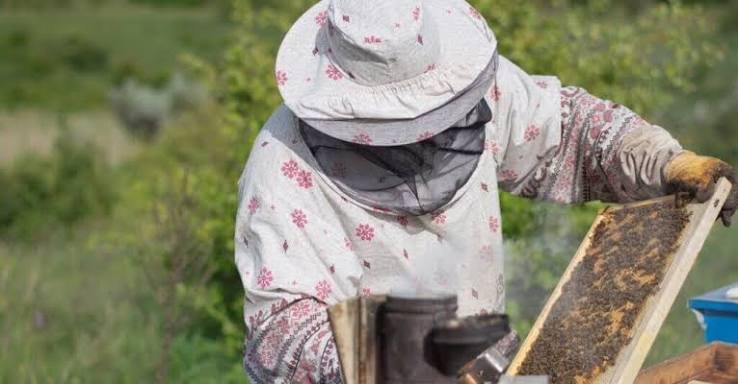
Beekeeping is the practice of caring for honeybee colonies in specially designed hives. It is both an agricultural activity and a fascinating way to learn about one of nature’s most organized insects. Beekeepers maintain healthy colonies, provide suitable Stephen Gleave Ancaster living conditions, monitor hive activity, and may collect honey and other hive products. Beyond producing honey, beekeeping plays an important role in supporting pollination and connecting people with the natural environment.
Understanding how beekeeping works begins with understanding the honeybee colony itself. A healthy colony operates as a highly organized social system in which thousands of individual bees perform different tasks. Beekeepers work with this natural organization rather than trying to control every part of it.
Understanding the Honeybee Colony
A honeybee colony generally contains three types of adult bees: a queen, worker bees, and drones. Each has a different role within the colony.
The queen is the primary reproductive female. Her main function is laying eggs that develop into new members of the colony. Worker bees are females that perform most of the tasks required to maintain the hive. Depending on their age and the colony’s needs, workers may clean cells, feed developing young, produce wax, guard the entrance, regulate the hive environment, collect food, and perform other duties.
Drones are male bees whose primary biological role is reproduction. Their presence and numbers can vary depending on the season and condition of the colony.
This division of labor allows the colony to function efficiently. Beekeepers observe these natural activities to determine whether a colony appears healthy and has adequate food, space, and protection.
How a Beehive Works
Modern beekeeping commonly uses movable-frame hives. These hives contain removable frames that allow beekeepers to inspect the colony without destroying its structure.
Inside the hive, bees build honeycomb from beeswax. The hexagonal cells of the comb are used for different purposes, including raising young bees and storing honey and pollen. The beekeeper provides the hive as a protected space while the bees build and organize their colony within it.
Hive inspections are an important part of responsible beekeeping. During an inspection, a beekeeper may look for signs of a healthy queen, developing brood, food stores, population strength, and potential problems. The goal is not simply to collect honey but to maintain a stable and healthy colony.
The Importance of Pollination
One of the most important reasons beekeeping matters is pollination. When honeybees visit flowers to collect nectar and pollen, pollen grains can be transferred between flowers. This process helps many flowering plants reproduce.
Agriculture benefits significantly from pollinating insects. A variety of fruit, vegetable, seed, and nut crops depend partly or substantially on insect pollination. Honeybees are especially useful because colonies contain large numbers of foraging workers that can visit many flowers.
However, honeybees are not the only pollinators. Wild bees, butterflies, moths, beetles, flies, birds, and other animals can also contribute to pollination. Supporting a healthy environment therefore requires protecting diverse pollinator populations rather than relying on one species alone.
The Beekeeping Cycle
Beekeeping changes with the seasons. In spring, colonies often become increasingly active as temperatures rise and flowering plants become available. Bees begin collecting nectar and pollen, and colony populations can grow rapidly.
Summer may bring abundant forage and strong colony activity. Beekeepers may provide additional space when colonies need it and continue monitoring their condition. Depending on local conditions, this can also be a period when honey is harvested.
As autumn arrives, flowering resources may become less available. Bees begin preparing for colder weather by maintaining food reserves and adjusting their activity. Beekeepers focus on ensuring that colonies have appropriate conditions for the coming winter.
Winter is generally a quieter period. Bees remain inside or close to the hive, forming a cluster that helps them maintain warmth. The colony depends on stored food during periods when flowers are unavailable.
Honey Production
Honey is one of the best-known products associated with beekeeping. Bees collect nectar from flowers and carry it back to the hive. Through natural processes involving enzymes and evaporation, the nectar gradually becomes honey.
Once the honey reaches an appropriate condition, bees store it in honeycomb cells and seal the cells with wax. Beekeepers can remove honey-filled frames and extract the honey using appropriate equipment.
Responsible honey harvesting requires consideration of the colony’s needs. Bees need sufficient food reserves to survive periods when natural food sources are limited. Good beekeeping therefore balances honey production with colony health.
Caring for Bee Health
Keeping bees is not simply a matter of placing a hive in a garden and collecting honey. Colonies can face numerous challenges, including parasites, diseases, poor nutrition, extreme weather, habitat changes, and pesticide exposure.
Regular observation helps beekeepers identify potential problems early. Good hive management may involve monitoring colony development, maintaining clean equipment, providing suitable forage, and following responsible methods for managing common pests and diseases.
Beekeepers also need to understand local regulations and environmental conditions. Practices that work well in one region may not be appropriate in another because climate, flowering seasons, bee populations, and agricultural conditions differ.
Beekeeping and the Environment
Beekeeping can encourage people to pay closer attention to plants, seasons, and local ecosystems. A beekeeper quickly learns that bees depend on a reliable supply of flowering plants throughout the year.
Planting diverse, bee-friendly flowers can provide valuable sources of nectar and pollen. Gardens, farms, parks, and other green spaces can all contribute to better forage opportunities when managed thoughtfully.
At the same time, responsible beekeeping should recognize the importance of wild pollinators. Environmental conservation involves maintaining natural habitats and reducing pressures that affect many different pollinating species.
Learning Through Beekeeping
Beekeeping is also an educational activity. Beginners learn about insect biology, ecology, agriculture, weather patterns, plant life, and seasonal changes. Working with a colony requires patience and careful observation.
Many new beekeepers begin by studying basic bee biology and hive management before obtaining their first colony. Local beekeeping clubs, agricultural organizations, experienced mentors, and educational resources can provide useful guidance.
Safety is another important part of learning. Honeybees can sting when they feel threatened, so beekeepers should learn appropriate protective practices and understand how to work around colonies responsibly.
Why Beekeeping Matters
Beekeeping matters because it connects food production, pollination, environmental awareness, and agriculture. Honeybees contribute to pollination while producing useful products such as honey and beeswax. Beekeeping also creates opportunities for people to understand natural systems more closely.
Its importance, however, should not be viewed only through honey production. Healthy ecosystems depend on a variety of pollinators and plants. Supporting pollinator-friendly habitats, reducing unnecessary environmental pressures, and learning about responsible land management are all valuable steps.
For individuals, beekeeping can become a rewarding hobby or agricultural activity. For communities, it can encourage greater awareness of biodiversity and local food systems.
Conclusion
Beekeeping works by combining the natural behavior of honeybee colonies with careful human management. Beekeepers provide suitable hives, monitor colony health, support seasonal needs, and responsibly collect hive products when conditions allow.
Its broader importance comes from the role bees play in pollination and the lessons beekeeping provides about ecosystems. From a small backyard hive to commercial agricultural operations, beekeeping demonstrates how closely insects, plants, food production, and environmental health are connected. By learning how honeybee colonies function and practicing responsible hive management, people can better appreciate these remarkable insects and the wider natural world around them.