 By Jackson
Facing property damage from fire, water, storms, or mold can be an overwhelming experience for any homeowner or business owner. In the aftermath of a disaster, taking swift and accurate action is essential to prevent further structural deterioration and minimize financial loss. Partnering with professional restoration services is often the most critical step toward recovering your property and restoring peace of mind.
However, not all restoration companies offer the same level of quality, speed, and professionalism. Selecting an unreliable contractor can lead to delayed timelines, hidden fees, poor workmanship, and long-term structural hazards. To help you navigate this high-stress process, here is a comprehensive guide on how to evaluate and select dependable restoration services for residential and commercial properties.
Assess Industry Certifications and Credentials
When evaluating restoration services, verified credentials should be your first point of reference. Property restoration requires specialized knowledge in microbiology, structural engineering, moisture detection, and hazardous material containment.
The Standard for Certification
Look for companies certified by recognized industry bodies, such as the Institute of Inspection, Cleaning and Restoration Certification (IICRC). An IICRC certification indicates that the technicians have undergone rigorous training and adhere to standardized practices for water damage restoration, fire damage cleanup, and mold remediation.
Licensing and Insurance
Ensure the restoration provider is fully licensed to operate in your state or municipality. Additionally, verify that they carry adequate general liability insurance and workers’ compensation coverage. Working with an uninsured company exposes property owners to severe legal and financial liabilities should an worker sustain an injury on your premises.
Look for 24/7 Availability and Rapid Response Time
Disasters do not adhere to regular business hours. Water damage can escalate into severe structural issues and mold proliferation within 24 to 48 hours. Therefore, immediate intervention is non-negotiable.
Emergency Readiness
A trustworthy restoration provider must offer 24/7 emergency response services. Ask prospective companies about their average arrival time following an emergency call. A local or regionally based firm is usually better equipped to arrive on-site within hours, compared to national franchises operating from distant locations.
Initial Containment
A quick response allows technicians to perform immediate containment, such as board-ups, tarping damaged roofs, and setting up industrial dehumidifiers. This immediate mitigation prevents secondary damage, saving thousands of dollars in repairs later.
Evaluate Specialized Experience and Equipment
The restoration requirements for a family home differ significantly from those of a large commercial facility. You need a company that possesses both the technical equipment and specialized experience relevant to your specific disaster type.
Residential vs. Commercial Expertise
Commercial properties often involve complex HVAC systems, large-scale electrical grids, and compliance with strict safety regulations. If you manage a commercial enterprise, ensure the restoration services company has a proven track record of handling commercial-grade projects without causing unnecessary downtime to your business operations.
Modern Equipment and Techniques
Professional restoration relies on advanced technology. Inquire if the company utilizes modern equipment such as:
- Infrared thermal cameras to locate hidden moisture behind walls and under floors.
- LGR (Low Grain Refrigerant) dehumidifiers and high-velocity air movers for fast structural drying.
- HEPA air scrubbers and thermal fogging units for smoke, odor, and contaminant removal.
Verify Insurance Claim Assistance and Transparent Pricing
Navigating insurance claims after property damage can be complex and stressful. Dependable restoration services actively assist property owners throughout the insurance documentation and filing process.
Direct Insurance Billing
Many established restoration companies work directly with major insurance carriers. They use industry-standard pricing software, such as Xactimate, which ensures transparent and standardized line-item estimates accepted by insurance adjusters.
Detailed Estimates and Contracts
Avoid contractors who offer vague verbal estimates or demand total upfront payment before work begins. Reliable restoration companies provide detailed written estimates outlining the scope of work, material costs, labor hours, and projected completion schedules.
Check Customer Reviews and Reputation
A company’s past performance is the best indicator of its future reliability. Before making a final hiring decision, conduct thorough research into their reputation within the local community.
Online Reviews and Testimonials
Read reviews on independent platforms such as Google Business Profile, Better Business Bureau (BBB), and local review sites. Look for patterns in feedback:
- Did the crew arrive on time?
- Was communication clear and professional?
- Did they respect the owner’s property?
- Was the final cost consistent with the estimate?
Local References
Ask the provider for local references, particularly for projects similar in size and scope to yours. Speaking directly with previous clients provides honest insights into the company’s reliability, work ethic, and attention to detail.
Demand Comprehensive Safety and Environmental Protocols
Property damage often involves hazardous materials such as toxic mold spores, asbestos, lead, or black water contamination. Dependable restoration services prioritize health and safety above all else.
Containment Measures
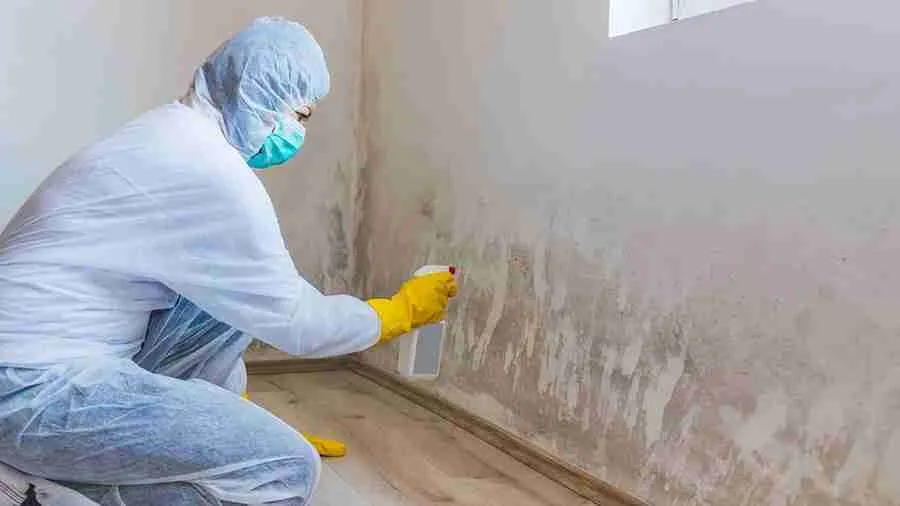
Technicians must establish proper negative pressure containment zones using plastic sheeting and HEPA filtration systems to prevent contaminants from spreading to unaffected areas of the building.
Compliance with Safety Regulations
Verify that the company complies with standards set by the Occupational Safety and Health Administration (OSHA) and the Environmental Protection Agency (EPA). Proper personal protective equipment (PPE) and safe disposal methods for hazardous waste must be strictly maintained throughout the restoration process.
Clear Communication and Comprehensive Guarantees
Effective communication minimizes anxiety during a property crisis. Reliable contractors designate a dedicated project supervisor who serves as your primary point of contact from initial assessment through final reconstruction.
Regular Progress Updates
Your project supervisor should provide clear, regular updates regarding project timelines, drying logs, and any unexpected challenges that arise during the restoration process.
Warranties and Satisfaction Guarantees
Reputable restoration companies stand behind their workmanship. Inquire about guarantees or warranties offered on both mitigation and structural restoration work. A commitment to customer satisfaction demonstrates confidence in their technical capabilities.
Making an informed decision about restoration services is vital to protecting your property investment and ensuring a safe environment for your family or employees. By verifying certifications, prioritizing rapid response capability, assessing equipment, and checking community reviews, you can confidently partner with a reliable provider when disaster strikes.