
 By Jackson
Introduction
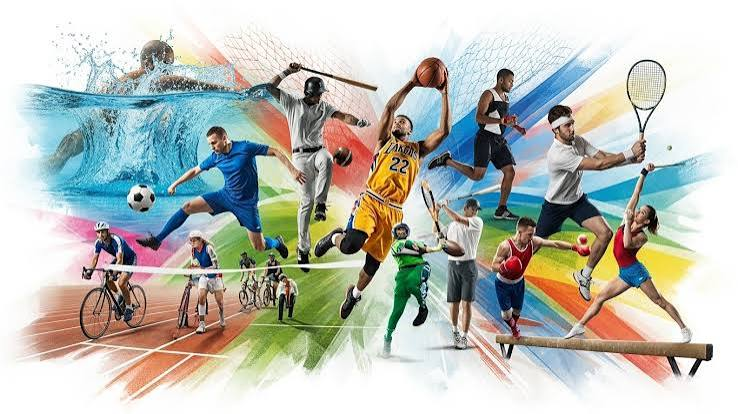
Sports have a unique ability to connect people from different backgrounds, languages, and traditions. Whether it is a local football match, an international cricket tournament, a basketball competition, or the Olympic Sports betting Games, sports create opportunities for people to share experiences and develop meaningful relationships. People may have different beliefs, lifestyles, and cultural values, but their love of a game can create a common bond that brings them closer together.
In today’s interconnected world, sports play an important role in promoting cultural understanding, encouraging teamwork, and building friendships across national borders. They provide a universal language that allows people to communicate through shared excitement, friendly competition, and mutual respect. By bringing individuals and communities together, sports help demonstrate that differences do not have to become barriers to friendship and cooperation.
Sports Create a Universal Language
One of the most remarkable qualities of sports is their ability to communicate without requiring people to speak the same language. A football match can be understood by spectators from many countries, even when they cannot understand one another’s conversations. The rules of a game, the excitement of a close contest, and the joy of celebrating a victory can create shared experiences among strangers.
For example, international sporting competitions attract millions of viewers from different regions. Supporters may speak Arabic, English, Urdu, Spanish, or Chinese, but they can still appreciate an excellent goal, a remarkable athletic performance, or an unexpected comeback. These common experiences encourage people to recognize similarities rather than focus only on cultural differences.
Sports also help newcomers feel welcome in unfamiliar environments. Joining a school team, participating in a community tournament, or playing a casual game in a neighborhood park can make it easier to meet people and develop friendships. In this way, sports offer a practical and enjoyable way to build connections.
International Tournaments Promote Cultural Exchange
Major international sporting events provide excellent opportunities for cultural exchange. Competitions such as the FIFA World Cup, the Olympic Games, and international cricket tournaments bring athletes, coaches, volunteers, and spectators from different countries into contact with one another.
During these events, participants and viewers learn about different national traditions, celebrations, foods, music, and social customs. Supporters often display their national colors, wear traditional clothing, and share stories about their countries. These activities allow people to express their identities while learning to appreciate the identities of others.
International tournaments can also challenge stereotypes. When spectators see athletes from unfamiliar countries demonstrating discipline, talent, sportsmanship, and determination, they may develop a broader understanding of those societies. Instead of viewing other nations through limited assumptions, people gain opportunities to recognize the diversity and individuality of their citizens.
Although sporting competitions encourage national pride, they can also remind audiences that people everywhere share many of the same hopes, ambitions, and emotions.
Teamwork Teaches Respect and Cooperation
Team sports demonstrate the importance of cooperation between people who may have different personalities, experiences, and cultural backgrounds. Success often depends on how effectively team members communicate, support one another, and work toward a common objective.
A team may include players from different communities who bring their own perspectives and experiences. Each player contributes individual strengths, but those strengths become more valuable when combined with the efforts of others. Teammates learn to trust one another, solve problems together, and recognize that every member has a role to play.
These lessons extend beyond the playing field. Students who participate in multicultural sports teams may become more comfortable working with classmates from different backgrounds. Adults who join community leagues can develop friendships with people they might not otherwise meet.
Teamwork also teaches humility. Players learn that individual talent cannot always guarantee success and that supporting others is just as important as personal achievement. When people practice these values through sports, they can carry them into workplaces, schools, and community organizations.
Football and Cricket Connect Communities
Football and cricket are excellent examples of sports that bring people together across cultural boundaries. Both games have passionate supporters around the world and provide opportunities for people to connect through shared interests.
Football is played in countries across Europe, Africa, Asia, and the Americas. Local clubs often become important parts of community identity, while international competitions encourage people to follow teams and players from different nations. Supporters may disagree about the best team, but they can still appreciate outstanding skill and memorable performances.
Cricket has a particularly strong cultural presence in countries such as Pakistan, India, Bangladesh, Australia, England, and Sri Lanka. International matches can bring families, friends, and entire communities together to watch and discuss the game. Cricket also creates opportunities for cultural exchange through international tours, youth competitions, and professional leagues featuring players from different countries.
These sports show how a shared passion can create connections between people who have different traditions and perspectives. They also demonstrate that friendly rivalry can exist alongside mutual respect.
Sports Encourage Inclusion and Equality
Sports can help create environments where people are valued for their abilities, effort, and contribution rather than their background. When organized fairly, sporting activities give individuals opportunities to participate, develop confidence, and experience a sense of belonging.
Community sports programs can bring together people of different ages, nationalities, economic circumstances, and cultural traditions. Schools and local organizations can use these programs to encourage participation among individuals who might otherwise feel excluded from community activities.
Adaptive sports and disability-inclusive competitions also demonstrate how sporting environments can become more accessible. Events such as the Paralympic Games highlight the achievements of athletes with disabilities and encourage audiences to recognize their talent, dedication, and determination.
However, inclusion requires more than simply allowing people to participate. Sports organizations must address discrimination, provide fair opportunities, and ensure that participants are treated respectfully. When these principles are taken seriously, sports can help build communities where diversity is recognized as a strength.
Women in Sports Help Challenge Cultural Barriers
Women’s participation in sports has created important opportunities for cultural exchange and social progress. Female athletes from different countries demonstrate leadership, discipline, and determination while inspiring younger generations to pursue their interests.
International women’s football, cricket, tennis, athletics, and other competitions introduce audiences to athletes whose achievements may challenge traditional assumptions about women’s roles in society. Their performances can encourage discussions about equal opportunities, access to training, and the importance of supporting girls in sports.
Women athletes also build connections across borders through international tournaments, training programs, and collaborative initiatives. These relationships help demonstrate that ambition and the desire to achieve personal goals are shared by people across cultures.
Encouraging girls and women to participate in sports can strengthen communities by creating more opportunities for leadership, confidence, and social interaction. It also helps ensure that the benefits of sports are available to a wider range of people.
Sports Build Friendships Beyond Borders
Friendships formed through sports can continue long after a competition ends. Athletes who meet at international tournaments may remain in contact, exchange experiences, and learn about one another’s cultures. Coaches and volunteers can also develop professional relationships that lead to future collaborations.
Youth sports exchanges are especially valuable because they introduce young participants to different ways of living and thinking. Playing together allows young people to discover common interests while learning to appreciate different customs and perspectives.
Technology has expanded these opportunities. Online gaming competitions, virtual sports communities, and digital fan groups allow people from different countries to discuss matches, exchange opinions, and celebrate sporting achievements together. Although online interactions cannot replace every benefit of meeting in person, they can help maintain connections across geographical distances.
These friendships demonstrate that meaningful relationships do not depend on sharing the same nationality or language. Mutual respect, common interests, and positive experiences can create lasting bonds between people from very different backgrounds.
Overcoming Challenges Through Sportsmanship
Although sports can unite people, they do not automatically eliminate cultural misunderstandings or social divisions. Sporting events sometimes involve discrimination, hostile rivalries, unfair treatment, or excessive nationalism. These problems show why respect and responsible leadership are essential.
Sportsmanship provides a way to address these challenges. Players can compete passionately while respecting their opponents, accepting decisions fairly, and acknowledging another team’s achievements. Coaches, officials, spectators, and sports organizations also have a responsibility to discourage discrimination and promote respectful behavior.
Educational programs can strengthen these values by teaching young athletes about cultural awareness, teamwork, and conflict resolution. When disagreements arise, sports can provide opportunities to practice patience, communicate clearly, and resolve differences constructively.
The real value of sports is therefore not limited to winning medals or trophies. It also lies in the attitudes people develop while competing and interacting with others.
Conclusion
Sports bring people together across different cultures by creating shared experiences, encouraging teamwork, and promoting mutual understanding. From international tournaments to neighborhood games, sporting activities allow people to connect through common interests while learning to appreciate their differences.
Football, cricket, basketball, athletics, and many other sports provide opportunities to build friendships, challenge stereotypes, support inclusion, and encourage cooperation. They also teach valuable lessons about fairness, respect, perseverance, and working toward common goals.
Although sports alone cannot solve every social problem, they can help create the conditions for stronger relationships between individuals and communities. When people approach competition with an open mind and a respectful attitude, the playing field becomes a place where cultural differences can inspire learning rather than division.
Ultimately, the greatest achievement in sports is not always winning a championship. Sometimes, it is the friendship formed between strangers, the understanding developed between communities, or the realization that people from different parts of the world have more in common than they might imagine. Through these connections, sports continue to demonstrate their remarkable power to unite humanity.