
 By Jackson
Plumbing emergencies can strike when you least expect them, turning a quiet evening into a frantic race against time. Whether it is a sudden burst pipe during a freezing winter night or a slow, hidden plumbing leak beneath the floorboards, water intrusion can wreak havoc on your property. When disaster strikes, the immediate aftermath can feel overwhelming. However, understanding the correct procedures for water damage cleaning is vital to restoring your home, protecting your family’s health, and preventing long-term structural decay.
Understanding the Immediate Threat of Plumbing Disasters
Water is relentless. Within minutes of a pipe bursting or a major leak springing, moisture seeps into porous building materials, furniture, flooring, and personal belongings. Drywall absorbs water like a sponge, wooden framing begins to swell, and electrical systems face immediate hazards. Delaying action can lead to catastrophic consequences, including severe mold proliferation and compromised structural integrity. Effective water damage cleaning requires a structured, methodical approach that addresses both visible puddles and hidden moisture pockets trapped deep inside your home.
Phase One: Safety First and Source Shut-Off
Before any remediation or cleaning can begin, you must secure the environment. Safety is always the top priority when dealing with water emergencies.
Securing Electrical and Structural Safety
Water and electricity create a lethal combination. If standing water is near electrical outlets, appliances, or service panels, do not wade into the area until you are certain the power has been safely shut off from the main breaker. If the breaker box is located in a flooded area or you must walk through water to reach it, call a professional electrician or your utility provider immediately. Additionally, evaluate the structural stability of your ceilings and floors. If a ceiling is sagging heavily with water weight, stay out of the room to prevent sudden collapse.
Stopping the Flow of Water
The very first physical action you must take is stopping the water source. Locate your home’s main water shut-off valve and turn it clockwise to completely halt the supply. If the leak is isolated to a specific fixture, such as a sink, toilet, or washing machine, use the local shut-off valve nearby. For burst pipes, shutting off the main valve is critical to stopping hundreds of gallons of water from pouring into your living space.
Phase Two: Assessment and Documentation
Once the area is safe and dry, you need to evaluate the extent of the damage before plunging into deep restoration work.
Evaluating the Category of Water
Not all water is equal when it comes to cleaning and restoration. Water damage cleaning protocols depend heavily on the source of the water:
- Clean Water: Originates from a supply line or rainwater pipe. It poses minimal initial health risks but can quickly become contaminated if left untreated.
- Gray Water: Contains a significant level of chemical, biological, or physical contaminants, such as water from a washing machine or dishwasher overflow. It can cause illness if ingested or exposed to skin for prolonged periods.
- Black Water: Highly contaminated water carrying pathogens, bacteria, and sewage, typically resulting from toilet backups or severe flooding. This requires specialized professional intervention and personal protective equipment.
Documenting Damage for Insurance Claims
Insurance companies require thorough proof before approving claims for plumbing disasters. Take extensive photographs and videos of every impacted room, damaged furniture piece, and ruined personal item before you start moving or discarding anything. Keep a detailed log of all professional services hired, equipment rented, and supplies purchased for water damage cleaning. This documentation will streamline the claims process and ensure you receive fair reimbursement.
Phase Three: Water Extraction and Drying
Getting rid of standing water is only the first step of the drying process. Even after the visible puddles are gone, moisture remains trapped inside building cavities.
Pumping and Vacuuming Standing Water
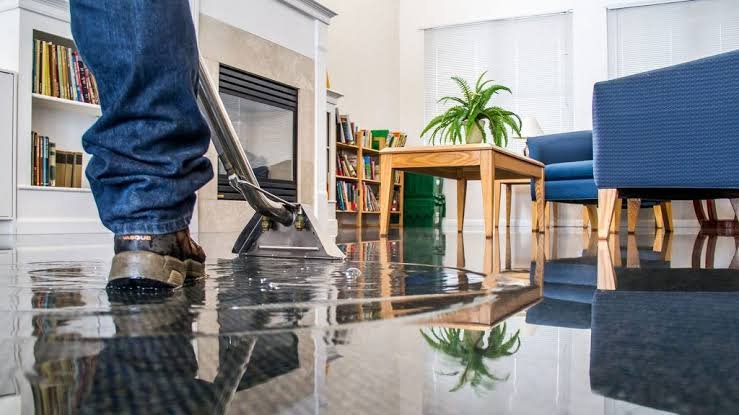
If you are dealing with inches of standing water, you will need heavy-duty extraction equipment. Wet-dry vacuums, submersible pumps, and truck-mounted extraction units are essential tools for removing the bulk of the water quickly. The faster you extract the water, the less time it has to saturate subfloors and wall interiors. Remove rugs, cushions, and movable furniture from the wet zones immediately to allow air circulation.
Deploying Industrial Dehumidifiers and Air Movers
Household fans are generally not powerful enough for major plumbing leaks. Professional water damage cleaning relies on industrial-grade air movers and high-capacity dehumidifiers. Air movers accelerate the evaporation rate by forcing high-velocity airflow across wet surfaces, while dehumidifiers pull moisture vapor out of the air to lower overall humidity levels. This balanced drying environment prevents secondary damage to unaffected areas of your home.
Phase Four: Cleaning, Sanitization, and Restoration
Once the structure is thoroughly dry, the focus shifts to sanitation and rebuilding. Residual contaminants and bacteria must be neutralized to ensure a healthy living environment.
Disinfecting Affected Surfaces
Every surface that came into contact with floodwater or plumbing leaks must be meticulously cleaned and disinfected. Use antimicrobial treatments and specialized cleaning agents designed to kill bacteria and prevent microbial growth. Porous items that cannot be thoroughly sanitized, such as soaked insulation, heavily damaged drywall, and certain types of carpeting, must be discarded and replaced to safeguard indoor air quality.
Preventing Mold Growth
Mold spores are microscopic and omnipresent, but they require moisture to germinate and grow. Under the right conditions, mold can colonize within twenty-four to forty-four hours after a water event. Proper water damage cleaning drastically reduces this risk by bringing relative humidity down below safe thresholds. If mold has already begun to appear, professional remediation specialists must use HEPA vacuums and containment barriers to remove spores safely without spreading them through your HVAC system.
Conclusion: Rebuilding Your Home Safely
Experiencing a burst pipe or a major plumbing leak can feel like a nightmare, but taking swift, organized action can mitigate the damage. By prioritizing safety, acting quickly to stop the water source, documenting everything for insurance, and executing thorough water damage cleaning and drying procedures, you can restore your home to its pre-loss condition. Whether you choose to handle minor leaks yourself or enlist certified professionals for severe flooding, a rigorous approach ensures your home remains a safe, dry, and healthy sanctuary for you and your family.