
 By Admin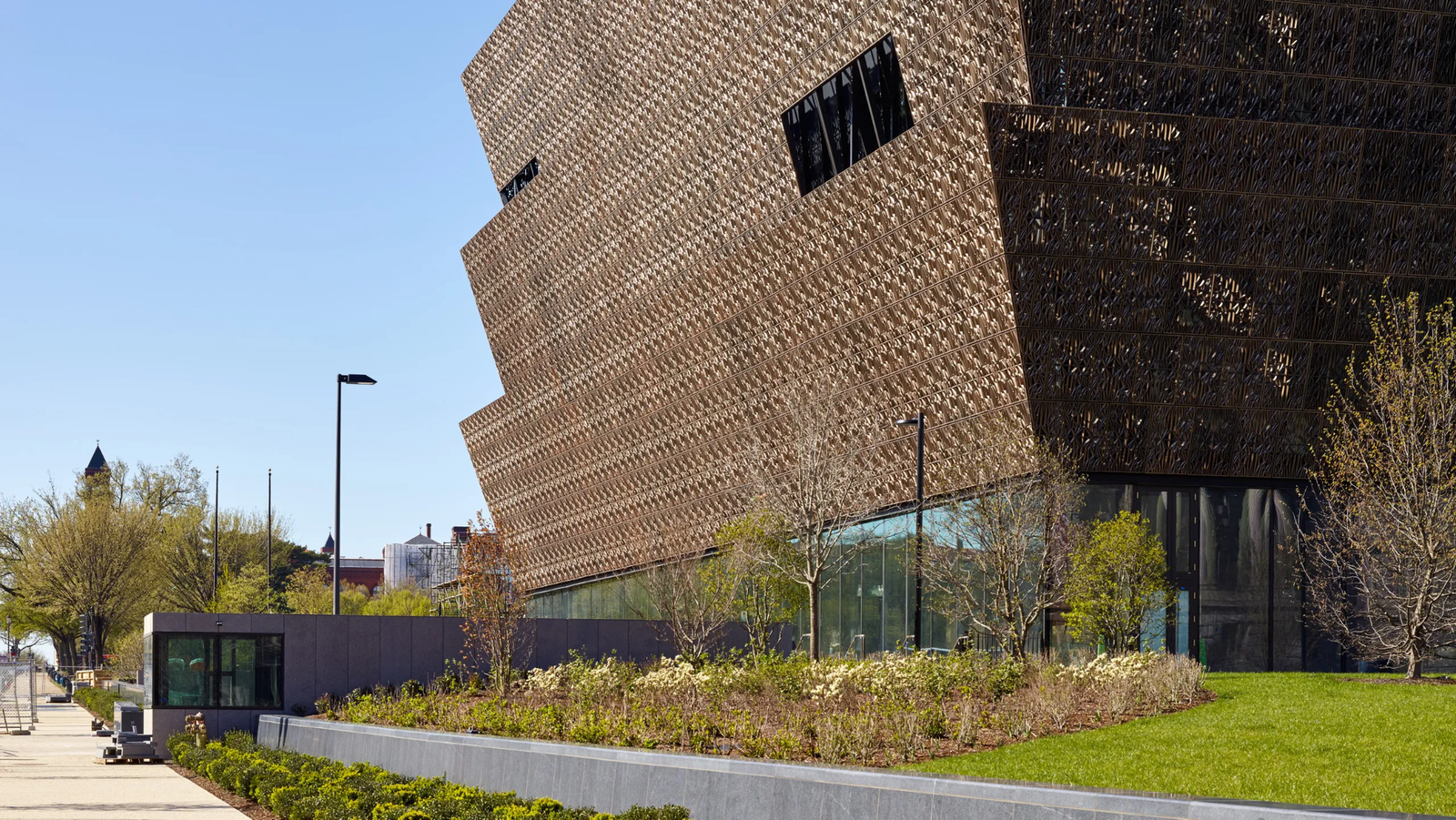
Special events at the National Museum of African American History and Culture bring together history, culture, education, community, and personal stories in one meaningful setting. Every gathering has its own atmosphere, from formal ceremonies and educational programs to cultural celebrations, panel discussions, receptions, and private occasions. Professional photography plays an important role in preserving these experiences, allowing organizations, guests, and audiences to remember the emotions and significance of each moment. National Museum of African American History and Culture event photography focuses on more than simply taking pictures. It captures the energy, relationships, details, and meaningful interactions that define an event.
Understanding the Importance of Event Photography
Photography gives special events a visual identity that can continue long after the gathering has ended. A well-planned collection of photographs can communicate what happened, who participated, and why the event mattered. At a culturally significant venue, these responsibilities become even more important because the photographs may represent moments of connection, learning, celebration, and reflection.
Professional event photographers understand how to document an occasion without distracting from it. They observe the flow of the event, anticipate important moments, and create photographs that feel natural. Instead of relying entirely on posed images, they capture genuine expressions, conversations, audience reactions, presentations, and interactions between guests.
National Museum of African American History and Culture event photography can therefore provide a complete visual record of an occasion. The resulting images can be used for organizational archives, promotional materials, social media, newsletters, publications, websites, and future event marketing.
Capturing the Energy of Special Events
The energy of an event is often found in small details. A speaker’s expression during an important statement, an audience applauding enthusiastically, guests greeting one another, or a group sharing a moment of laughter can communicate the atmosphere more effectively than a simple wide photograph.
An experienced event photographer looks for these moments throughout the gathering. They move carefully through the venue while remaining aware of the schedule and surroundings. This approach helps produce a varied gallery that includes both broad environmental photographs and intimate moments.
Wide-angle images can establish the setting and show the scale of the gathering, while closer photographs reveal emotion and personal connection. Together, these images create a visual narrative that allows viewers who were not present to understand the event’s atmosphere.
Preserving Meaningful Cultural Moments
Events connected to African American history and culture can carry deep educational and emotional significance. Photography should approach these occasions with respect, awareness, and professionalism. The goal is not merely to document attendance but to preserve moments that communicate the importance of the gathering.
Photographers may capture speakers sharing knowledge, guests engaging with exhibits, performers presenting their work, community leaders connecting with attendees, and families experiencing the venue together. Each photograph can contribute to a larger story about heritage, education, identity, and community.
National Museum of African American History and Culture event photography requires an understanding that meaningful photographs often emerge from authentic moments. A photographer who remains observant can identify those moments without forcing them. Natural expressions and interactions frequently become the most memorable images in an event collection.
Professional Coverage for Corporate and Institutional Events
Museums and cultural institutions frequently host conferences, professional gatherings, networking events, educational programs, receptions, and organizational meetings. These occasions require photographs that are both visually appealing and professionally useful.
For corporate or institutional clients, photographs may document keynote speakers, panelists, executives, sponsors, networking sessions, audience participation, and branded details. These images can later support annual reports, press releases, websites, internal communications, and marketing campaigns.
Professional photography also provides organizations with a consistent visual archive. Instead of having a collection of unrelated snapshots, an organization receives photographs created with a deliberate approach to composition, lighting, timing, and storytelling.
Photographing Speakers and Presentations
Speakers are often central to special events, and documenting them effectively requires careful timing. A photographer should capture more than a person standing behind a podium. Strong images can show gestures, facial expressions, interaction with presentation materials, and audience responses.
Photographs of speakers can also communicate authority and engagement. A well-timed image may show a presenter emphasizing an important point or connecting directly with the audience. These photographs can become valuable assets for future communications and promotional campaigns.
Audience photography is equally important. Reactions such as applause, focused attention, laughter, and thoughtful discussion help demonstrate that the presentation generated genuine engagement.
Creating a Complete Visual Story
Successful event photography works like visual storytelling. The final gallery should have a beginning, middle, and conclusion. Opening photographs might establish the venue and arrival experience. Subsequent images can introduce speakers, guests, activities, and interactions. Later photographs may capture networking, celebrations, or closing moments.
Details can strengthen this story. Decorations, programs, signage, architectural elements, displays, tables, lighting, and other visual features help establish a sense of place. These images can be especially useful when the photographs are later viewed by someone who did not attend the event.
A strong collection balances carefully composed photographs with spontaneous moments. This combination ensures that the final gallery feels authentic while still meeting professional standards.
The Role of Lighting and Composition
Museums and event venues can present challenging photographic conditions. Lighting may vary between rooms, presentations may involve stage lighting, and large gatherings can create complicated compositions. Professional photographers use their technical skills to adapt to these circumstances.
Composition is also essential. A photograph should guide the viewer’s attention toward the most important subject while providing enough environmental context. Thoughtful framing can make a speaker, guest interaction, performance, or architectural detail much more visually compelling.
Lighting and composition should support the story rather than overpower it. The best event photographs often feel effortless because the technical decisions remain invisible to the viewer.
Respectful and Unobtrusive Photography
Professional event coverage should never interfere with the experience of attendees. Photographers need to move discreetly, avoid unnecessary interruptions, and remain aware of important moments. This is particularly important at cultural and educational events where guests may be deeply engaged with the subject matter.
An unobtrusive approach allows people to behave naturally. As a result, photographs can capture genuine emotion instead of expressions created simply because someone noticed a camera.
Communication before the event is also valuable. Understanding the schedule, important participants, photography restrictions, and priority moments helps the photographer work efficiently while respecting the venue and organizers.
Building a Lasting Visual Archive
One event may last only a few hours, but its photographs can remain useful for years. High-quality images become part of an organization’s visual history and can help preserve memories for future audiences.
Photographs may be revisited for anniversary celebrations, historical records, promotional campaigns, educational projects, social media posts, and institutional publications. A carefully created archive can show how events have evolved while documenting the people and communities who contributed to them.
This long-term value makes professional event photography an investment rather than simply an event-day expense.
Choosing the Right Photography Approach
Selecting an event photographer requires attention to experience, professionalism, storytelling ability, and technical skill. The photographer should understand how to work in formal venues while remaining flexible enough to respond to unexpected moments.
Reviewing previous event galleries can help organizations determine whether a photographer’s style matches their goals. A strong portfolio should demonstrate variety, including portraits, candid interactions, speakers, audience reactions, environmental images, and detailed compositions.
For important cultural and institutional gatherings, professionalism and sensitivity are just as important as technical ability. The photographer should recognize the significance of the occasion and approach every assignment with care.
Preserving Moments That Matter
Special events create moments that cannot be recreated in exactly the same way. Once the guests leave and the program ends, photography becomes one of the strongest ways to preserve the experience. Meaningful images can bring back the excitement of a celebration, the concentration of a discussion, the emotion of a speech, or the warmth of people connecting with one another.
National Museum of African American History and Culture event photography combines observation, storytelling, technical expertise, and respect for the occasion. By capturing both the energy of the crowd and the deeper meaning behind individual moments, professional event photography creates a lasting visual record. These photographs do more than show what an event looked like; they help communicate what it felt like and why it was worth remembering.