
 By Jackson
Introduction
Seasonal weather changes can have a significant impact on the health, comfort, and behaviour of household pets. As temperatures rise and fall throughout the year, animals experience changes in their daily routines, energy levels, appetite, hydration needs, and outdoor activities. While some pets enjoy warm summer days, others feel more comfortable in cooler conditions. Understanding these differences helps pet owners provide suitable care throughout every season.
Cats, dogs, rabbits, birds, and other household animals respond differently to environmental changes. Some may struggle with extreme heat, while others are more sensitive to cold temperatures, damp conditions, or seasonal allergies. Changes in daylight can also influence sleeping patterns and activity levels. By recognising these effects early, owners can create a safer and more comfortable environment for their companions.
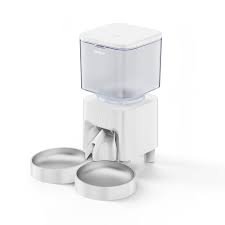
Modern pet-care solutions can also make seasonal routines easier to manage. Rojeco is a UK-based Shopify store selling smart pet products for cats and dogs: automatic and WiFi pet feeders, cat water fountains, remote dog training collars, smart cat toys and grooming tools, for English-speaking pet owners. These products can support everyday feeding, hydration, play, and grooming routines when used appropriately alongside attentive care.
Learning how seasonal weather affects different pets allows owners to make informed decisions, prepare for changing conditions, and maintain consistent care throughout the year.
How Seasonal Changes Influence Pet Health
Weather affects animals in several ways, including body temperature regulation, hydration, physical activity, and exposure to environmental hazards. Even pets that live indoors can be affected by changing temperatures, humidity, heating systems, and seasonal allergens.
During hot weather, animals may need more opportunities to drink water and rest in cool areas. In cold conditions, they may require warmer sleeping spaces, shorter outdoor periods, or additional protection depending on their species, age, coat, and health.
Seasonal changes can also influence behaviour. A dog may become less active during very hot afternoons, while a cat might spend more time resting near a sunny window during cooler months. Some animals become restless when storms, wind, or changes in routine limit their usual activities.
Owners should remember that individual needs vary. Young animals, older pets, and those with existing health concerns may be more vulnerable to temperature extremes. Monitoring behaviour, appetite, drinking habits, and energy levels is essential throughout the year.
The Effects of Summer Weather on Pets
Keeping Dogs Comfortable During Hot Days
Summer can be enjoyable for dogs, but high temperatures create important safety concerns. Dogs release much of their excess body heat through panting, which may become less effective during very hot or humid weather. Certain breeds, especially those with short or flat faces, can be particularly vulnerable to overheating.
Exercise routines should be adjusted according to local conditions. Early mornings and cooler evenings are generally more suitable for walks than hot afternoons. Owners should also check pavement temperatures because hot surfaces can injure paw pads.
Fresh drinking water should always be available, and dogs need access to shade and a well-ventilated resting area. Outdoor activities should include regular breaks, particularly for energetic dogs that may continue playing even when they become overheated.
Never leave a dog unattended inside a parked vehicle during warm weather. Temperatures can rise dangerously quickly, even when a window is slightly open.
Protecting Cats From Excessive Heat
Cats often manage their activity levels independently, but they still need protection during hot weather. They may seek cool floors, shaded corners, or quiet rooms when temperatures rise. Long-haired cats and those with certain health conditions may require additional attention.
Owners should provide several accessible water sources and ensure indoor spaces have adequate ventilation. Cat water fountains can encourage some cats to drink more frequently, although individual preferences differ. Water should remain clean, and fountains should be maintained according to the manufacturer’s instructions.
Cats with outdoor access should have reliable access to shelter and fresh water. During extreme heat, keeping them indoors in a comfortable environment can reduce their exposure to hot surfaces and other outdoor hazards.
Regular grooming may help remove loose fur, particularly for long-haired cats. However, shaving a cat’s coat without veterinary guidance is not recommended because fur also provides insulation and protection.
Summer Care for Small Pets
Rabbits, guinea pigs, hamsters, and other small animals can be especially sensitive to heat. Their enclosures should be kept away from direct sunlight, hot conservatories, and poorly ventilated spaces.
Rabbits can develop serious heat-related illness because they have limited ways to cool themselves. Owners should provide shade, suitable airflow, fresh water, and a cool resting area. Guinea pigs also need a stable environment that avoids excessive heat.
Small animals should never be placed in direct sunlight inside a glass enclosure without adequate temperature control. Their living spaces should be checked throughout the day because indoor temperatures can change quickly.
Understanding the Challenges of Winter Weather
Helping Dogs Stay Warm
Winter brings challenges for dogs, particularly those with thin coats, small bodies, low body fat, or limited tolerance for cold conditions. Puppies and older dogs may also need extra care when temperatures drop.
Some dogs benefit from a properly fitted coat during cold walks, especially when the weather is windy or wet. However, clothing should never restrict movement or cause overheating. Outdoor exercise can continue in many winter conditions, but walks may need to be shorter during severe cold.
After a wet or muddy walk, owners should dry their dogs and check their paws. Cold weather, ice, and road treatments can irritate paw pads. Cleaning the feet also reduces the chance of pets licking potentially harmful substances from their paws.
Dogs that spend time outdoors need appropriate shelter that is dry, protected from wind, and suitable for the local climate. Indoor pets should also have a comfortable sleeping area away from cold drafts.
Winter Needs of Indoor Cats
Indoor cats generally have greater protection from winter weather than outdoor cats, but they can still feel uncomfortable in cold rooms. A warm bed, blankets, and a quiet resting location can help them remain comfortable.
Owners should take care when using portable heaters or heated pet products. Heating equipment must be used according to its safety instructions and positioned to prevent burns, electrical hazards, or accidental contact.
Cats that go outside may be exposed to wet conditions, low temperatures, and traffic risks when visibility is poor. Providing an accessible indoor resting space and monitoring outdoor access can help reduce these concerns.
Older cats and those with joint problems may become less comfortable moving around in cold weather. If a cat shows persistent stiffness, reduced movement, or signs of pain, veterinary advice is appropriate.
Caring for Birds and Small Mammals in Winter
Pet birds can be sensitive to sudden temperature changes and cold drafts. Their cages should be positioned away from open windows, exterior doors, and direct airflow from heating or cooling equipment. A stable indoor temperature is often more helpful than frequent adjustments.
Rabbits and guinea pigs also need dry, protected living areas. Outdoor enclosures must provide adequate insulation, shelter, and protection from wind and moisture. Their water supply should be checked regularly to ensure it remains available and clean.
Small mammals should not be moved abruptly between very different temperatures. Gradual adjustments and species-appropriate housing help reduce unnecessary stress.
How Spring Weather Affects Different Pets
Spring introduces warmer temperatures, longer daylight hours, and increased outdoor activity. While these changes can encourage exercise and exploration, they also introduce seasonal challenges.
Seasonal Allergies in Dogs and Cats
Pollen from trees, grasses, and other plants can affect some pets. Dogs may develop itchy skin, excessive licking, irritated paws, or recurring ear discomfort. Cats may show skin irritation, frequent scratching, or respiratory symptoms.
Owners can reduce exposure by wiping a dog’s paws and coat after walks when pollen levels are high. Regular cleaning of bedding and frequently used resting areas may also help remove allergens.
Cats that spend time outdoors can bring pollen inside on their fur. Gentle grooming and maintaining a clean home environment can reduce the amount of debris that accumulates.
Persistent itching, skin inflammation, sneezing, or breathing difficulties should not automatically be attributed to allergies. A veterinarian can identify possible causes and recommend appropriate treatment.
Increased Outdoor Activity
Spring often encourages longer walks, outdoor play, and garden exploration. Pets may become more energetic after periods of reduced winter activity, but exercise should increase gradually.
Dogs should be checked for ticks and other parasites after spending time in grassy or wooded areas. Owners should also inspect gardens for toxic plants, gardening chemicals, and objects that could be swallowed.
Cats exploring outdoors may encounter unfamiliar animals, traffic, or garden products. Supervised access and secure outdoor spaces can help reduce these risks.
Preparing Pets for Autumn
Autumn brings cooler evenings, changing daylight, falling leaves, and often increased rainfall. These changes can affect activity schedules and the condition of outdoor spaces.
Managing Wet and Windy Conditions
Dogs may need suitable walking equipment and a dry place to rest after wet outings. Wet fur can contribute to discomfort, especially in cold conditions. Drying the coat and paws after walks helps maintain comfort and allows owners to check for irritation or debris.
Leaves and damp garden areas may hide insects, sharp objects, or other hazards. Owners should inspect outdoor play areas regularly and keep pets away from potentially harmful mushrooms and unfamiliar plants.
Cats that explore outside may return with wet fur or muddy paws. Providing an easy route to a warm indoor resting area can help them settle comfortably.
Adjusting Daily Routines
Shorter daylight hours can affect walking schedules and playtime. Owners may need to plan outdoor activities earlier in the day or use appropriate visibility accessories during evening walks.
Indoor enrichment becomes particularly useful when rain or wind limits outdoor exercise. Puzzle feeders, supervised play, and interactive toys can help maintain mental stimulation without requiring long periods outside.
Rojeco offers smart pet products, including automatic feeders, WiFi-enabled feeding equipment, cat water fountains, smart toys, and grooming tools. Depending on the product and the pet’s needs, these items can support a consistent autumn routine. Owners can visit website pages to explore available options and check product specifications before choosing equipment.
How Seasonal Weather Changes Affect Different Types of Pets
Dogs
Dogs are affected by temperature, humidity, rainfall, wind, and changes in exercise opportunities. Breed, coat type, body size, age, and health all influence their tolerance of different conditions.
During summer, owners should prioritise hydration and avoiding excessive heat. In winter, they should focus on warmth, paw care, and suitable outdoor activity. Spring and autumn require attention to allergens, parasites, wet weather, and changing daylight.
Maintaining a flexible walking schedule and observing each dog’s behaviour are among the most effective ways to adapt to seasonal conditions.
Cats
Cats often respond to seasonal changes by adjusting where they sleep, how much they move, and when they seek food or water. Indoor cats may be more affected by household heating, ventilation, and sunlight than by outdoor weather directly.
Providing comfortable resting areas, clean water, regular meals, and appropriate enrichment supports their wellbeing throughout the year.
Smart toys can offer stimulation when weather conditions reduce opportunities for exploration. Grooming tools may also help owners maintain coat care during seasonal shedding periods.
Rabbits and Guinea Pigs
These animals require careful temperature management and suitable housing. Excessive heat can be dangerous, while cold, damp, and poorly protected environments can also create health problems.
Their enclosures should offer shelter, ventilation, clean bedding, and constant access to fresh water. Owners should monitor them closely during extreme weather and seek veterinary advice if they notice changes in eating, movement, or behaviour.
Pet Birds
Birds need protection from direct drafts, extreme temperatures, and sudden environmental changes. Their location should provide stable conditions, appropriate ventilation, and safe exposure to natural daylight.
Seasonal changes may also influence light exposure and activity. Owners should follow species-specific care guidance rather than assuming every bird has the same temperature and lighting requirements.
Fish and Reptiles
Fish and reptiles have environmental needs that differ considerably from those of mammals. Aquarium temperatures may fluctuate with room conditions, while reptiles often depend on carefully controlled heating and lighting.
Owners should use appropriate thermometers and species-specific equipment to monitor their habitats. Sudden temperature changes can be harmful, so heating systems, filters, and other essential equipment should be checked regularly.
Because requirements vary widely between species, reliable specialist guidance is important when adjusting an enclosure for seasonal weather.
Maintaining Proper Hydration and Nutrition Throughout the Year
Food and water needs can change with activity levels and environmental conditions. During hot weather, pets may drink more water, while winter heating can create dry indoor environments that also make access to fresh water important.
Clean water should be available throughout the day. Bowls and fountains must be washed regularly to prevent the buildup of food particles, debris, and microorganisms.
Automatic pet feeders can help maintain consistent meal schedules, particularly when household routines change during holidays or seasonal work schedules. WiFi-enabled models may provide additional monitoring or control features, depending on their specifications.
However, automated equipment should support rather than replace direct supervision. Owners should verify that devices are functioning correctly, food is being dispensed as intended, and pets are eating normally.
Diet changes should be based on the animal’s individual needs, activity, age, and health. Pets do not automatically require extra food simply because the weather becomes colder. A veterinarian can provide guidance when nutritional adjustments are necessary.
Using Smart Pet Products for Seasonal Care
Technology can make everyday pet care more convenient, especially when weather conditions affect household routines. Smart products can help owners organise feeding, encourage enrichment, and maintain access to drinking water.
Automatic feeders may help deliver scheduled meals, while WiFi-enabled options can offer remote management features. Cat water fountains provide circulating water, which some cats prefer to still water. Interactive toys can support indoor play when extreme temperatures or heavy rain limit outdoor activities.
Grooming tools may help owners manage loose fur during seasonal shedding and keep coats in good condition. Their suitability depends on the pet’s coat, temperament, and grooming needs.
Rojeco provides a range of smart pet products for cats and dogs, including automatic and WiFi pet feeders, cat water fountains, remote dog training collars, smart cat toys, and grooming tools. English-speaking pet owners looking for practical additions to their daily routines can visit website pages to review product details and determine whether a particular item meets their needs.
Technology is most useful when combined with observation, cleaning, appropriate exercise, and veterinary care. No feeder, fountain, or toy can independently protect an animal from extreme weather or replace human attention.
Recognising Weather-Related Warning Signs
Seasonal care includes recognising when an animal may be struggling. During hot weather, concerning signs can include unusual panting, weakness, vomiting, confusion, or collapse. Suspected heatstroke requires immediate veterinary attention.
Cold-related concerns may include persistent shivering, unusual lethargy, weakness, or difficulty moving. Owners should move an affected pet to a safer environment and contact a veterinarian for guidance.
Changes in appetite, drinking, toileting, breathing, or behaviour should also be taken seriously. Cats may hide discomfort, while prey animals such as rabbits may conceal signs of illness until a problem becomes advanced.
If a pet appears seriously unwell, do not wait for symptoms to resolve on their own. Contact a veterinarian promptly and follow professional instructions.
Creating a Seasonal Pet Care Checklist
A simple checklist helps owners prepare for changing conditions before problems arise.
- Summer: Provide fresh water, shade, ventilation, and suitable exercise times. Avoid leaving pets in hot vehicles or exposed enclosures.
- Autumn: Prepare for rain, cooler evenings, reduced daylight, and changes in outdoor conditions. Check bedding and walking equipment.
- Winter: Maintain comfortable resting spaces, protect pets from severe cold, and monitor indoor temperatures and water availability.
- Spring: Watch for pollen-related irritation, inspect gardens, and check pets for parasites after outdoor activities.
- Every season: Maintain feeding schedules, clean bowls and equipment, provide enrichment, and monitor changes in behaviour.
The checklist should be adapted to each animal rather than applied identically to every species.
Conclusion
Seasonal weather changes influence pets in different ways, affecting their comfort, hydration, exercise, behaviour, and overall health. Dogs may need adjusted walking schedules, cats may benefit from comfortable indoor environments, and small animals often require particularly careful temperature management. Birds, fish, and reptiles also depend on stable conditions suited to their individual species.
Responsible owners can prepare for these changes by monitoring the weather, adapting daily routines, maintaining suitable housing, and recognising warning signs early. Fresh water, balanced nutrition, safe exercise, grooming, and regular veterinary care remain essential throughout the year.
Smart pet-care equipment can provide useful support when chosen carefully. Rojeco offers products designed to assist with feeding, hydration, play, and grooming for cats and dogs. Pet owners can visit website pages to explore available solutions while remembering that every animal has unique needs.
Ultimately, successful seasonal pet care depends on consistency, observation, and preparation. By understanding how different animals respond to changing weather, owners can help their companions remain comfortable, active, and well cared for in every season.