
 By Jackson
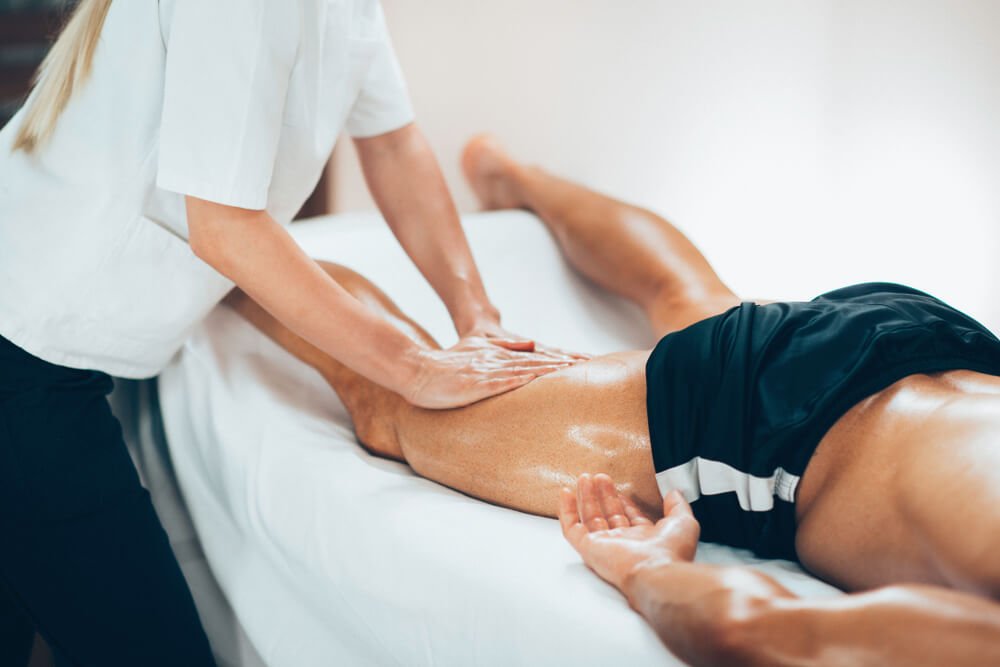
Gua Sha massage is an increasingly popular bodywork technique that focuses on relieving muscle tension, improving mobility, and supporting overall physical wellness. Rooted in traditional East Asian healing practices, this specialized treatment uses smooth-edged tools to apply controlled pressure and gentle strokes across the skin. Although traditionally associated with facial treatments, Gua Sha has also become an effective approach to addressing tension and discomfort in different areas of the body.
Modern lifestyles often involve prolonged sitting, repetitive movements, physically demanding activities, and extended screen time. These habits can contribute to tight muscles, restricted movement, and everyday discomfort. Targeted bodywork techniques such as Gua Sha offer an alternative approach to helping the body feel more relaxed and comfortable. Understanding how this treatment works, its potential benefits, and what to expect during a session can help individuals decide whether it belongs in their wellness routine https://lenoxhillmassage.com/services/gua-sha/.
Understanding the Basics of Gua Sha Massage
Gua Sha is a traditional bodywork practice that involves gliding a specially designed tool across the skin using controlled pressure. Practitioners commonly use tools made from smooth stone, ceramic, or other suitable materials. The technique is performed along specific areas of the body to address localized tension and encourage relaxation.
Unlike conventional massage, which primarily relies on hands and fingers, Gua Sha uses a tool to create consistent contact with targeted tissues. The practitioner adjusts the pressure, direction, and movement according to the individual’s comfort and treatment goals.
Traditional Gua Sha techniques may produce temporary redness or small surface marks known as petechiae. These marks are associated with tiny blood vessels beneath the skin and should not be considered necessary for an effective treatment. Modern wellness-focused approaches generally emphasize appropriate pressure, individual comfort, and safe application.
How Gua Sha Supports Muscle Tension Relief
Muscle tension can develop for several reasons, including poor posture, physical exertion, stress, and repetitive activities. When muscles remain tight for extended periods, everyday movements may become uncomfortable or restricted.
Gua Sha massage provides targeted mechanical stimulation to selected areas of soft tissue. The controlled gliding movements may help reduce the sensation of tightness and encourage relaxation.
Addressing Localized Muscle Tightness
Certain muscle groups are particularly vulnerable to tension. The shoulders, neck, upper back, lower back, and legs often experience discomfort because of daily physical demands.
During a Gua Sha session, a practitioner may concentrate on these areas using gentle, repeated strokes. Targeted application allows attention to be directed toward specific regions rather than treating the entire body uniformly.
This approach can be especially useful for individuals who experience localized tightness associated with desk work, exercise, or repetitive movements.
Encouraging Relaxation and Comfort
Physical tension and mental stress frequently influence one another. A relaxing bodywork session may help individuals become more aware of their muscles and release some of the tension they carry throughout the day.
The slow, rhythmic movements used during Gua Sha can create a calming treatment experience. When combined with appropriate breathing and a comfortable environment, the session may support general relaxation and physical comfort.
Improving Mobility Through Targeted Bodywork
Mobility refers to the ability to move joints and surrounding tissues through their available range of motion comfortably and efficiently. Muscle tightness, inactivity, and repetitive physical demands can sometimes make movement feel restricted.
Gua Sha massage may complement mobility-focused wellness routines by addressing areas of perceived soft-tissue tightness.
Supporting Better Movement
When certain muscles feel restricted, simple activities such as turning the neck, raising the arms, bending, or walking may become less comfortable.
Targeted bodywork can help reduce the sensation of tightness in these areas. Some individuals find that they feel more comfortable moving after a session, although results vary depending on the underlying cause of restricted movement.
Gua Sha should be considered a complementary technique rather than a replacement for appropriate medical treatment or physical rehabilitation.
Complementing Stretching and Exercise
Stretching, strength training, and regular physical activity are important components of maintaining mobility. Gua Sha can be incorporated into a broader wellness routine alongside these practices.
For example, an individual who regularly exercises may use professional bodywork as part of a recovery-focused routine. Someone who spends long hours sitting may combine treatment with gentle stretching and movement breaks.
The goal is to support comfortable movement through several complementary strategies rather than relying on one technique alone.
What to Expect During a Gua Sha Massage Session
A professional Gua Sha session generally begins with a discussion about the individual’s physical concerns, lifestyle, and treatment preferences. This initial conversation helps the practitioner identify areas that may benefit from focused attention.
The skin is typically lubricated with an appropriate massage medium to allow the tool to glide smoothly. The therapist then applies controlled strokes to selected areas, adjusting the pressure and technique according to the client’s comfort.
Personalized Treatment for Individual Needs
Every person experiences muscle tension differently. Some individuals may need attention around the shoulders and neck, while others may benefit from targeted work on the back, arms, or legs.
A personalized approach allows practitioners to modify the treatment rather than following an identical routine for everyone. Gua Sha can also be combined with traditional hands-on massage techniques when appropriate.
At Lenox Hill Massage & Physical Therapy, treatment is adapted to the client’s comfort and the specific areas requiring attention. The therapist considers individual needs when deciding how much tool-assisted bodywork to incorporate into the session. Explore Gua Sha Massage at Lenox Hill Massage.
Important Considerations Before Receiving Gua Sha
Although Gua Sha is commonly used as a complementary wellness technique, it is important to understand how the body may respond to treatment.
Temporary redness is a possible outcome because of the repeated pressure and movement of the tool across the skin. Some individuals may also develop more noticeable red or purple marks. These marks generally fade over time, although the duration varies.
Understanding Skin Sensitivity and Aftercare
Mild tenderness or temporary sensitivity may occur following treatment. Individuals should avoid applying excessive pressure to already sensitive areas and follow their practitioner’s aftercare recommendations.
Gua Sha should not be performed over open wounds, irritated skin, or infected areas. People with conditions that affect blood clotting, easy bruising, or skin sensitivity should discuss their circumstances with a qualified healthcare professional before receiving treatment.
It is also important to inform the therapist about recent injuries, medications, and relevant health concerns. Good communication helps ensure that the technique is adjusted appropriately.
Gua Sha Massage Compared With Traditional Massage
Traditional massage generally involves hands-on techniques such as kneading, compression, friction, and stretching. These methods can address different muscle groups and provide relaxation throughout the body.
Gua Sha introduces a smooth-edged tool that allows practitioners to focus on specific areas of soft-tissue tension. Rather than replacing traditional massage, it can complement other techniques when suitable.
For example, someone experiencing shoulder tightness may benefit from a combination of manual massage and carefully applied Gua Sha. The appropriate approach depends on the individual’s comfort, goals, and physical condition.
The main distinction is the method of application. Both approaches can contribute to a relaxing bodywork experience, but neither guarantees a particular therapeutic outcome.
Who Can Benefit From Targeted Gua Sha Bodywork?
Gua Sha may appeal to individuals who experience occasional muscle tightness associated with everyday activities. Office workers, athletes, fitness enthusiasts, and people with physically demanding routines may be interested in exploring this approach.
People who spend extended periods sitting may experience tension around the neck, shoulders, and upper back. Meanwhile, individuals who participate in regular exercise may notice tightness in their legs, arms, or other frequently used muscle groups.
However, Gua Sha is not appropriate for every situation. Persistent pain, unexplained swelling, significant injuries, or restricted movement should be assessed by a qualified healthcare professional before beginning bodywork.
Making Gua Sha Part of a Balanced Wellness Routine
The benefits of bodywork can be supported by maintaining healthy daily habits. Regular movement, appropriate hydration, sufficient sleep, and gentle stretching all contribute to general physical well-being.
Individuals who spend long hours working at a desk can benefit from taking movement breaks and maintaining comfortable working positions. Those who exercise regularly should incorporate suitable warm-ups, recovery periods, and mobility exercises into their routines.
Gua Sha can serve as one component of this broader approach to physical wellness. Consistency in healthy habits is generally more valuable than depending on occasional treatments alone.
Conclusion
Gua Sha massage offers a distinctive approach to targeted bodywork by combining traditional techniques with smooth-edged tools. Its potential advantages include addressing localized muscle tension, encouraging relaxation, and complementing routines designed to support comfortable movement and mobility.
A personalized treatment approach is particularly important because every individual has different physical needs and levels of sensitivity. Understanding the technique, communicating with a qualified practitioner, and following appropriate safety recommendations can help create a more comfortable experience.
For individuals interested in exploring specialized bodywork, Lenox Hill Massage & Physical Therapy provides a personalized Gua Sha massage service on Manhattan’s Upper East Side. Combining professional guidance with healthy everyday habits can help individuals make informed choices about their ongoing physical wellness.