
 By Jackson
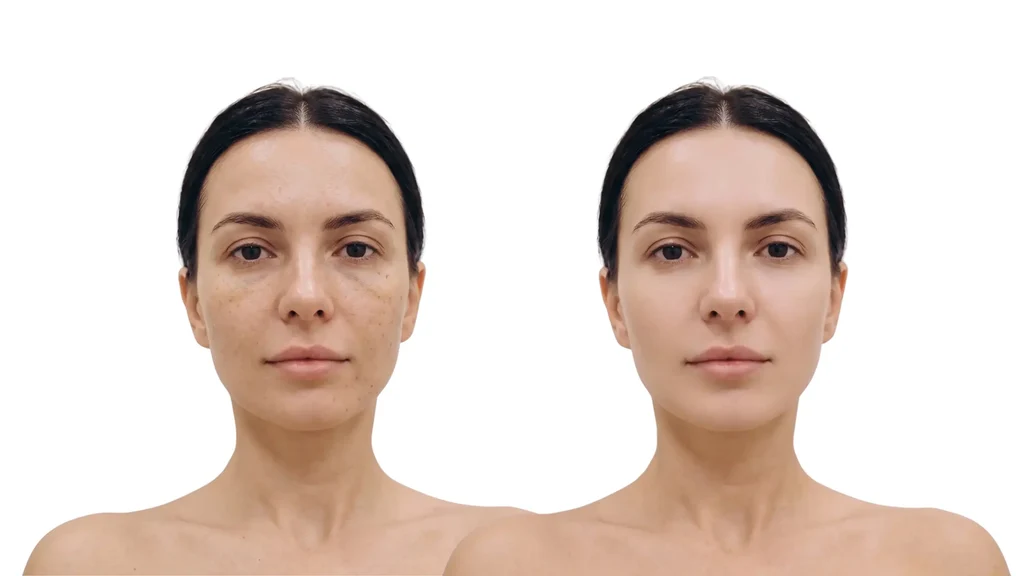
Hyperpigmentation is one of the most common dermatological concerns faced by individuals of all skin types. Defined by patches of skin that become darker in color than the surrounding areas, hyperpigmentation occurs when the body produces excess melanin—the pigment responsible for skin color. While topical treatments such as retinoids, vitamin C, and hydroquinone can help fade mild discoloration over time, many individuals turn to advanced clinical procedures for faster and more dramatic results. Among these, Laser Treatments for Hyperpigmentation have emerged as some of the most effective and widely sought-after solutions.
Understanding how different lasers work is essential before embarking on any cosmetic procedure. Laser technology generally falls into two primary categories: ablative and non-ablative treatments. Each approach functions uniquely, carries distinct benefits, and requires different recovery periods. By understanding ablative and non-ablative options, you can make an informed decision alongside a qualified dermatologist to determine which path best addresses your specific skin needs.
Understanding Hyperpigmentation and Its Causes
Before exploring laser technology, it is helpful to understand what triggers hyperpigmentation in the first place. Skin discoloration typically arises from one of several common triggers:
- Sun Damage (Solar Lentigines): Prolonged exposure to ultraviolet (UV) radiation accelerates melanin production, leading to sunspots, age spots, and freckles, particularly on sun-exposed areas like the face, hands, and chest.
- Post-Inflammatory Hyperpigmentation (PIH): Occurring after skin injury or inflammation—such as acne breakouts, eczema, burns, or harsh cosmetic procedures—PIH leaves behind dark spots as the skin heals.
- Melasma: Driven largely by hormonal fluctuations combined with UV exposure, melasma manifests as symmetrical, brownish patches on the face, commonly seen during pregnancy or while taking oral contraceptives.
Regardless of the underlying cause, targeted clinical interventions like Laser Treatments for Hyperpigmentation focus on breaking down concentrated melanin clusters so the body can naturally flush them away.
How Laser Technology Targets Pigmentation
Laser devices emit precise wavelengths of high-intensity light that are absorbed by specific targets in the skin, known as chromophores. In the case of hyperpigmentation, the target chromophore is melanin.
When the laser beam contacts hyperpigmented spots, the light energy converts to thermal energy. This heat shatters the excess melanin particles into tiny fragments without damaging surrounding healthy tissue. Over the following days and weeks, your body’s cellular cleanup processes clear away these pigment fragments, or the pigment naturally sheds with the skin’s surface cells, revealing a clearer, more even skin tone.
Ablative Lasers: Intensive Resurfacing for Deep Pigmentation
Ablative lasers represent a robust approach to skin resurfacing and pigment correction. The term “ablative” refers to the removal or vaporization of tissue.
How Ablative Lasers Work
Ablative laser systems remove the thin outermost layer of skin (the epidermis) while simultaneously heating the underlying dermis. This dual action accomplishes two goals: it directly strips away damaged, hyperpigmented surface cells and stimulates collagen synthesis in the deeper layers. Common types of ablative lasers include:
- Carbon Dioxide ($\text{CO}_2$) Lasers: Known for high power, these lasers treat deep structural skin issues, severe sun damage, and pronounced discoloration.
- Erbium:YAG (Er:YAG) Lasers: Less intense than $\text{CO}_2$ lasers, Er:YAG devices target superficial to moderately deep pigmentation with greater precision and fewer thermal side effects.
Pros and Cons of Ablative Options
Advantages:
- High Efficacy: Often yields dramatic, noticeable results after just one or two sessions.
- Comprehensive Renewal: In addition to fading dark spots, ablative resurfacing improves fine lines, wrinkles, acne scars, and overall skin texture.
Disadvantages:
- Extended Downtime: Recovery can take anywhere from 1 to 3 weeks, during which the skin will appear raw, red, and swollen as it heals.
- Higher Risk Profile: Because the skin barrier is temporarily compromised, there is a higher risk of complications, such as infection, scarring, or rebound post-inflammatory hyperpigmentation, especially in darker skin tones (Fitzpatrick skin types IV–VI).
Non-Ablative Lasers: Gentle, Targeted Pigment Correction
Non-ablative lasers offer a milder alternative to aggressive resurfacing. Rather than stripping away the upper skin layer, non-ablative devices penetrate beneath the surface to address pigment while leaving the outer layer intact.
How Non-Ablative Lasers Work
Non-ablative light energy creates micro-thermal zones deep within the dermis. This controlled thermal energy shatters excess pigment and stimulates new collagen production without disrupting the epidermis. Common non-ablative technologies used in Laser Treatments for Hyperpigmentation include:
- Pulsed-Dye Lasers (PDL) & Q-Switched Lasers: Q-switched lasers release ultra-short bursts of energy that target melanin clusters specifically, making them ideal for sunspots and freckles.
- Picosecond Lasers: Operating in trillionths of a second, picosecond lasers break down pigment into micro-particles using acoustic pressure rather than heat alone, reducing thermal damage to surrounding tissue.
- Intense Pulsed Light (IPL): While technically a broad-spectrum light treatment rather than a laser, IPL functions similarly by targeting surface melanin and redness with minimal disruption.
Pros and Cons of Non-Ablative Options
Advantages:
- Minimal Downtime: Most patients experience mild redness or slight swelling for just 24 to 48 hours, allowing them to resume normal activities almost immediately.
- Lower Risk of Side Effects: Preserving the skin barrier reduces the likelihood of post-treatment scarring or secondary infections.
- Safer for Diverse Skin Tones: Gentle heating makes non-ablative and picosecond devices preferable for individuals prone to post-inflammatory hyperpigmentation.
Disadvantages:
- Multiple Sessions Required: Achieving optimal results generally requires a series of 3 to 6 sessions spaced several weeks apart.
- Gradual Results: Pigment fading occurs incrementally rather than all at once.
Fractional Technology: Bridging the Gap
To strike a balance between the dramatic results of ablative lasers and the quick recovery of non-ablative options, modern dermatology frequently utilizes fractional laser technology.
Fractional lasers deliver energy in a grid pattern of microscopic columns, creating tiny zones of treated tissue surrounded by untreated skin. Because healthy skin remains intact between the treatment zones, healing occurs significantly faster than with traditional full-field ablative methods. Both ablative and non-ablative lasers can be delivered using fractional delivery systems, providing customizable treatment options for varying pigment concerns.
Choosing the Right Option for Your Skin
Determining the ideal approach depends on several key factors:
- Skin Type and Tone: Darker skin tones carry a higher risk of developing post-inflammatory hyperpigmentation from aggressive thermal energy. Non-ablative or picosecond devices are often favored for deeper skin tones.
- Type and Depth of Pigmentation: Superficial sunspots respond well to non-ablative lasers or IPL, whereas deep-seated pigmentation or severe sun damage may necessitate fractional ablative therapy.
- Downtime Tolerance: If taking a week off from work for recovery is not feasible, non-ablative treatments provide a more manageable schedule.
Essential Post-Treatment Care
Regardless of whether you select an ablative or non-ablative procedure, proper post-care is crucial to protecting your results and preventing new discoloration:
- Strict Sun Protection: Apply a broad-spectrum sunscreen with SPF 30 or higher daily, reapplying every two hours when outdoors. Wear broad-brimmed hats and seek shade whenever possible.
- Gentle Skincare: Avoid active ingredients like retinoids, exfoliants, and strong acids until your skin has fully healed. Stick to mild cleansers and soothing moisturizers.
- Avoid Picking or Scrubbing: As pigmented areas darken and naturally flake off, allow them to shed on their own to prevent scarring.
Final Thoughts
Navigating Laser Treatments for Hyperpigmentation requires careful consideration of skin type, pigmentation severity, and lifestyle preferences. Ablative lasers offer fast, deep resurfacing at the cost of longer downtime, while non-ablative devices deliver progressive improvement with minimal disruption to daily routines. Consulting with a board-certified dermatologist or licensed cosmetic practitioner is the best step toward designing a safe, personalized treatment plan for a clearer, more radiant complexion.